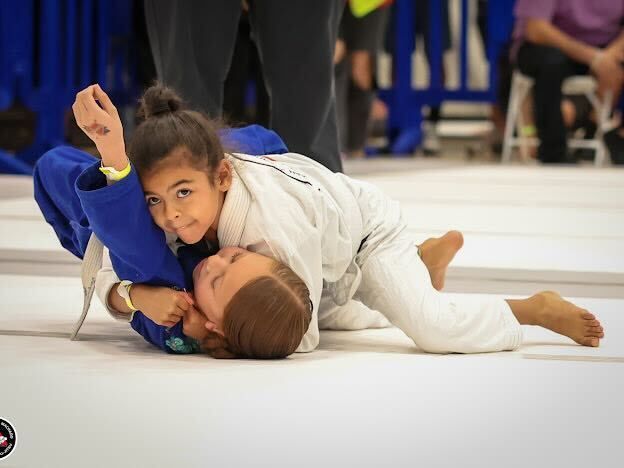
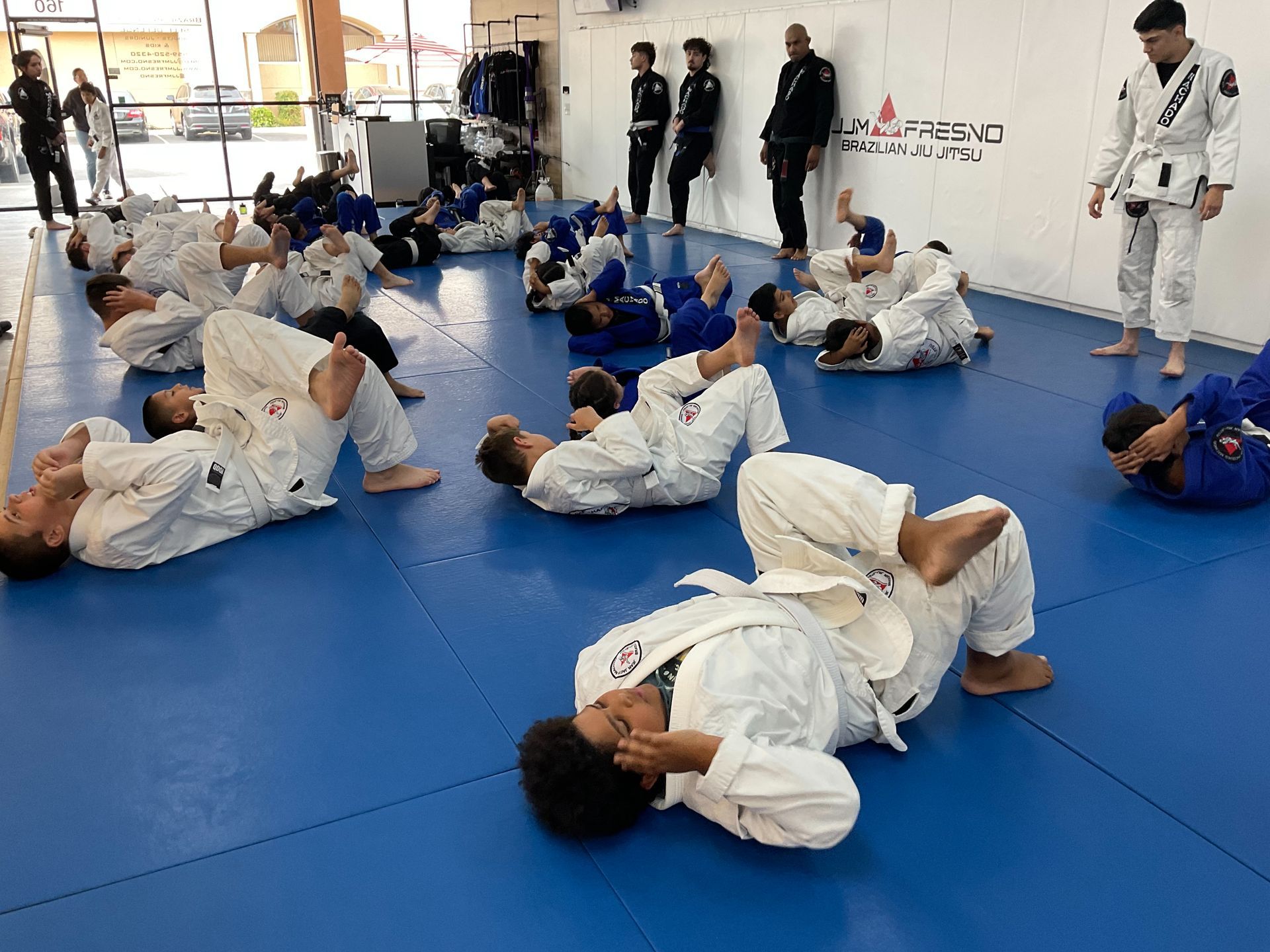
Youth martial arts can help your child handle disagreements with calm, confidence, and clear communication long before problems turn physical.
In Fresno, many parents are not just looking for an after school activity, but something that genuinely helps kids navigate real life situations. That is where Youth Martial Arts stands out. Done the right way, training becomes a practical classroom for respect, emotional control, and problem-solving, the exact skills that keep conflicts from escalating.
We see it every week: kids arrive with big feelings, quick reactions, or a hard time speaking up. Over time, with consistent coaching and a structured environment, those same kids start using words first, breathing before reacting, and finding solutions that keep everyone safer. Youth Martial Arts is not about raising fighters, it is about building peacemakers who can handle pressure.
Why conflict resolution belongs in Youth Martial Arts in Fresno
Conflict is part of growing up. Kids disagree, misread tone, feel left out, or deal with teasing and bullying. The question is not whether conflict will happen, but whether your child has tools to respond effectively when it does.
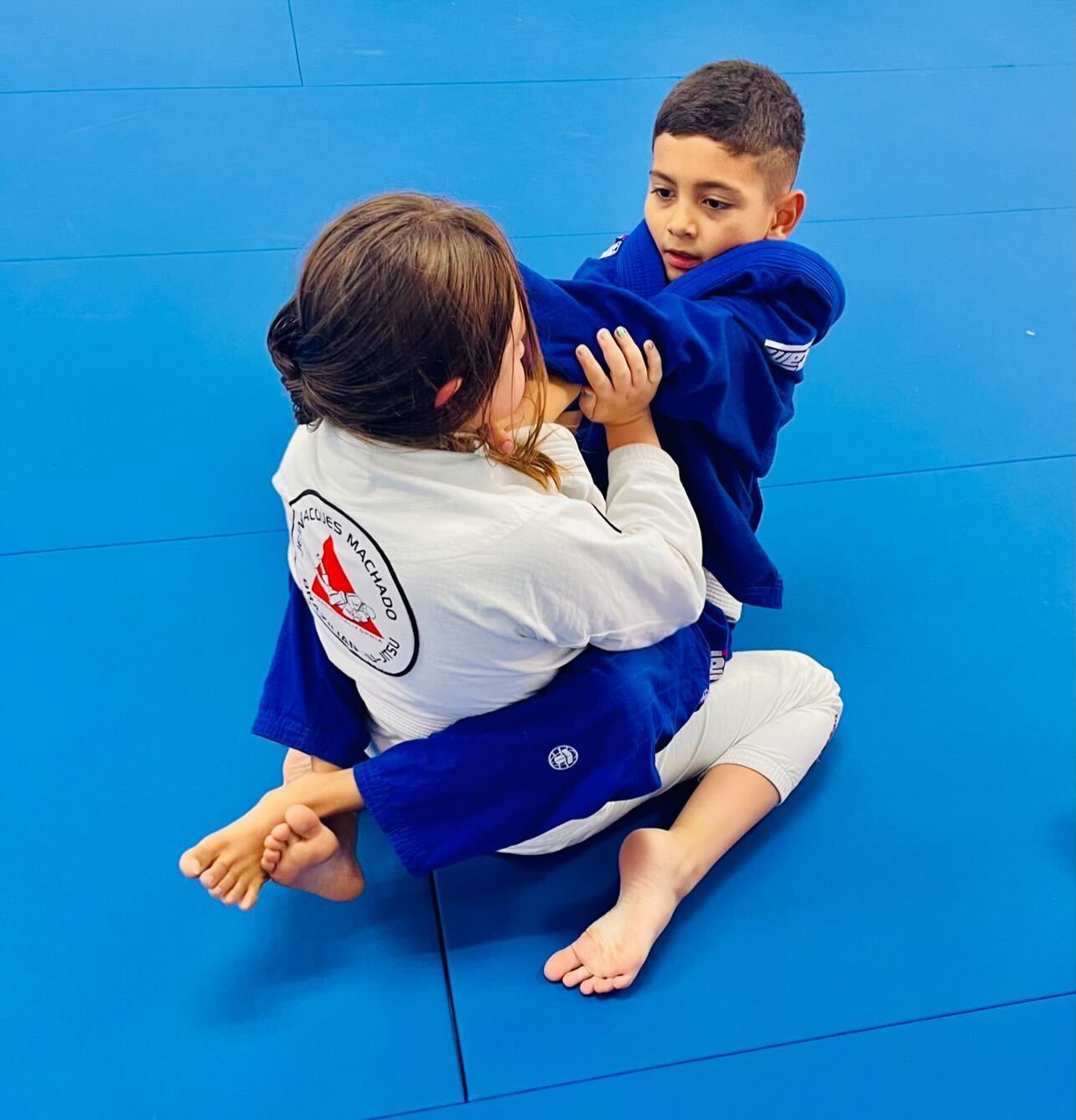
Our Youth Martial Arts in Fresno approach teaches conflict resolution through habits, not lectures. Instead of simply telling kids to be respectful, we practice respectful behavior on the mat every class. Instead of telling kids to calm down, we train self-control under mild stress in a safe setting, and then build from there.
A useful bonus is that these skills transfer. When kids learn to handle frustration while drilling a technique, they also get better at handling frustration when someone cuts in line at school, makes a rude comment, or pushes their buttons on purpose.
The core values that make peaceful choices more likely
When parents ask whether martial arts teaches kids to fight, we understand the concern. The real goal is the opposite. Training should reduce the desire to prove something physically because kids gain structure, confidence, and a better internal reset button.
Respect becomes a daily practice, not a poster on the wall
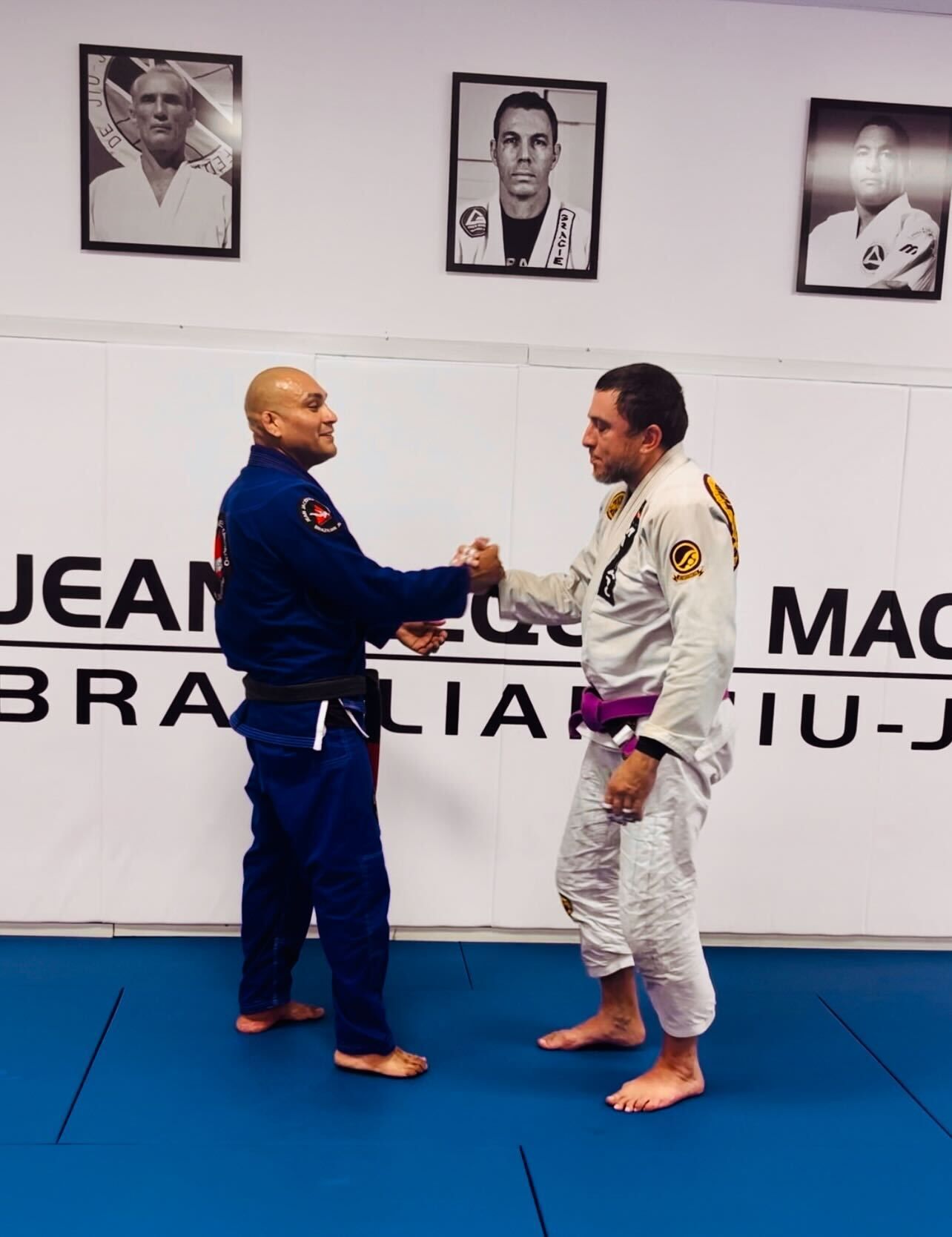
Respect is the foundation of conflict resolution because it changes how kids interpret situations. A respectful child is less likely to assume the worst, and more likely to pause and listen.
In class, respect shows up in small, repeatable actions:
- Waiting your turn even when you are excited
- Looking a coach in the eye when receiving instruction
- Treating training partners carefully so nobody gets hurt
- Using polite language even during competitive drills
Those habits may seem simple, but they create a child who can stay grounded during disagreements and choose a response instead of a reaction.
Self-control is a trainable skill
Self-control is not a personality trait you either have or do not have. We treat it like balance or coordination: something you build through repetition.
When kids are learning a challenging movement, it is normal to see frustration. Our job is to guide them through it without shame, while still holding standards. Over time, kids learn to notice the first signs of anger or embarrassment, then take a breath, reset, and try again. That exact sequence is conflict resolution in motion.
Why confident kids are less likely to fight
One of the most important reasons Youth Martial Arts reduces conflict is that confidence removes the need to prove yourself. When a child feels capable, the volume drops. The chest-puffing fades. The urge to “win” a social moment with aggression becomes less tempting.
Confidence also helps kids speak up earlier, which prevents escalation. A child who can calmly say, “Stop, I do not like that,” or “That is not funny to me,” often avoids the whole spiral that ends in shouting or pushing.
This is where training matters. Confidence built through real effort tends to stick. Kids earn it by learning skills, improving over time, and realizing they can handle discomfort without falling apart.
Communication skills we build through training (that show up at school)
Conflict resolution is mostly communication, even when it starts as something physical like someone getting in a kid’s personal space. We coach kids to communicate in ways that lower tension and increase clarity.
Clear words, calm tone, and strong body language
Kids do not always realize how much their posture and voice affect a situation. In training, we encourage:
- Standing tall with shoulders relaxed
- Making appropriate eye contact
- Speaking clearly instead of mumbling or yelling
- Using simple phrases that do not inflame the situation
Those details matter. Bullies and overly competitive classmates often look for easy targets, and confident body language can act as prevention.
Listening is part of defending yourself
We teach kids that listening does not mean agreeing. Listening means collecting information before choosing a response. When kids practice following instructions and adjusting in real time, they get better at hearing feedback, reading the room, and understanding what is actually happening in a tense moment.
That is empathy in a practical form. It helps kids ask, “Is this person trying to get a reaction?” or “Is this just a misunderstanding?” That pause is often the difference between a peaceful solution and a meltdown.
The problem-solving mindset behind jiu-jitsu and why it helps socially
Jiu-jitsu is essentially problem-solving under pressure. Kids learn that panic makes everything harder, while calm decisions create options. That lesson is gold for conflict resolution.
When a child gets stuck in a position, the answer is rarely “try harder with more force.” The answer is usually “make a better choice.” Change angle, create space, improve posture, breathe, then move. Social conflict works the same way.
A kid who trains consistently starts to understand:
- You can be uncomfortable and still think clearly
- You do not need to rush into a reaction
- There is usually a smarter path than going head-to-head
What kids actually practice in class that translates to real-world conflict
It helps to be specific, because conflict resolution can sound abstract until you see it in action. Here are skills we build on the mat that commonly show up in everyday life.
• Emotional regulation under mild stress, like learning to breathe and stay focused when a drill feels challenging
• Boundary setting, like using respectful words and firm posture to communicate “stop” without escalating
• Turn-taking and fairness, which reduces arguments in group settings and teaches patience
• Accountability, because kids learn to own mistakes and correct them instead of blaming others
• De-escalation habits, like creating distance, staying composed, and choosing avoidance when possible
These are not one-time lessons. Kids get repetitions every week, which is why the change tends to be noticeable over months, not minutes.
Bullying concerns in Fresno: prevention first, response second
Parents often tell us the same thing: “I just want my child to handle bullying without freezing or exploding.” That is a reasonable goal, and it is exactly where Youth Martial Arts in Fresno can help.
We focus on a simple progression. First, teach prevention through awareness and confident presence. Second, teach verbal tools that make boundaries clear. Third, teach physical skills in a controlled, age-appropriate way so kids have options if avoidance fails.
The key point is that kids who train are often less likely to end up in verbal and physical altercations. They learn to avoid unnecessary conflict, manage emotions, and use smarter responses. That is the real win.
Age-appropriate training and what to expect as your child grows
Kids develop at different speeds, so we keep expectations realistic and structured. Conflict resolution looks different for a 4-year-old than it does for a 12-year-old, and our coaching reflects that.
Ages 3 to 7: foundations for respect and impulse control
At these ages, progress often looks like better listening, fewer outbursts, and improved ability to take turns. We keep the environment upbeat while still teaching structure, because little kids thrive with predictable routines.
Ages 6 to preteen: more advanced self-defense and social skills
As kids mature, we can add more decision-making layers. They start learning how to stay calm during more complex drills and how to communicate confidently when someone tests boundaries. This is where conflict resolution becomes very practical, because school dynamics get more complicated around these years.
How we keep training safe while still realistic
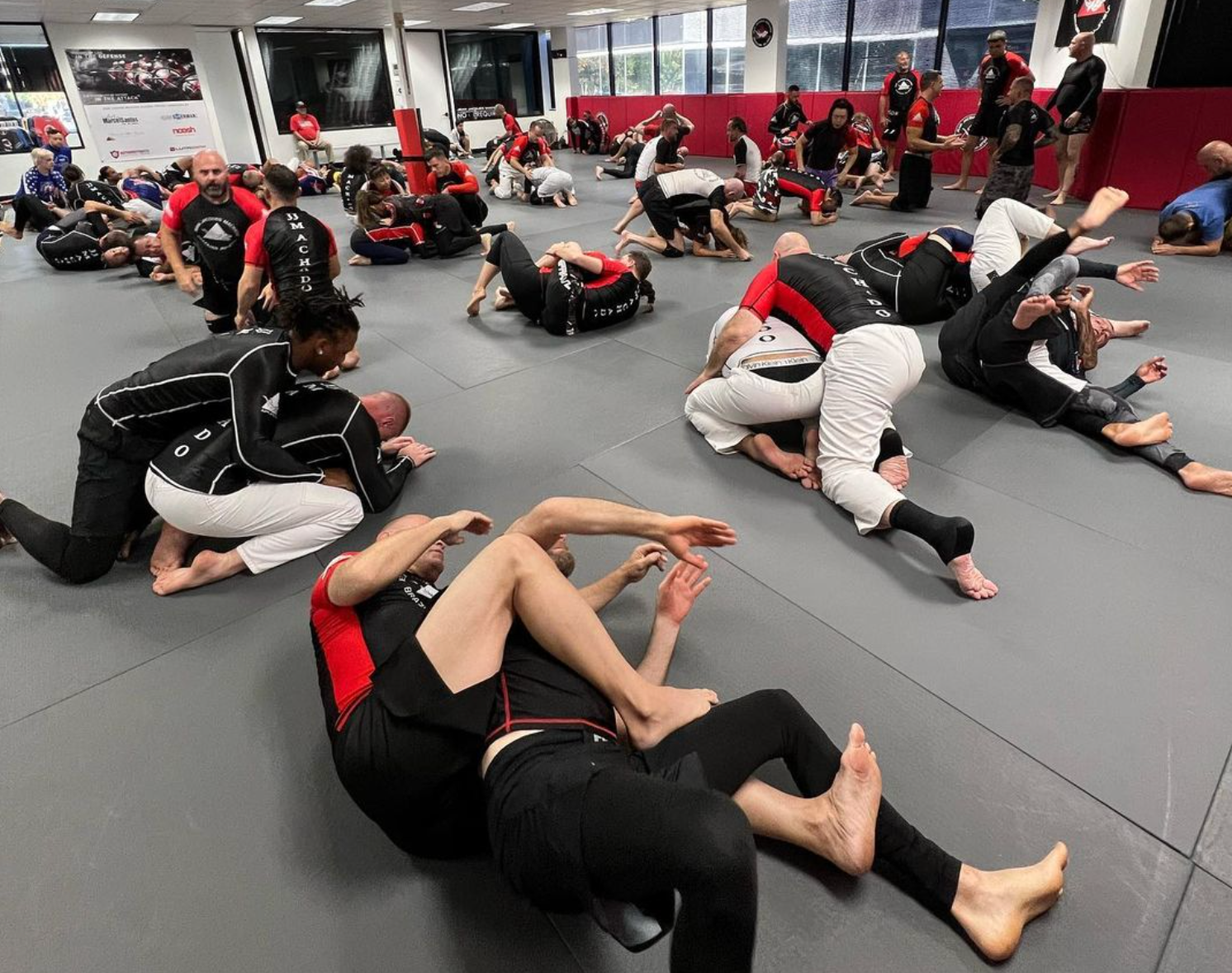
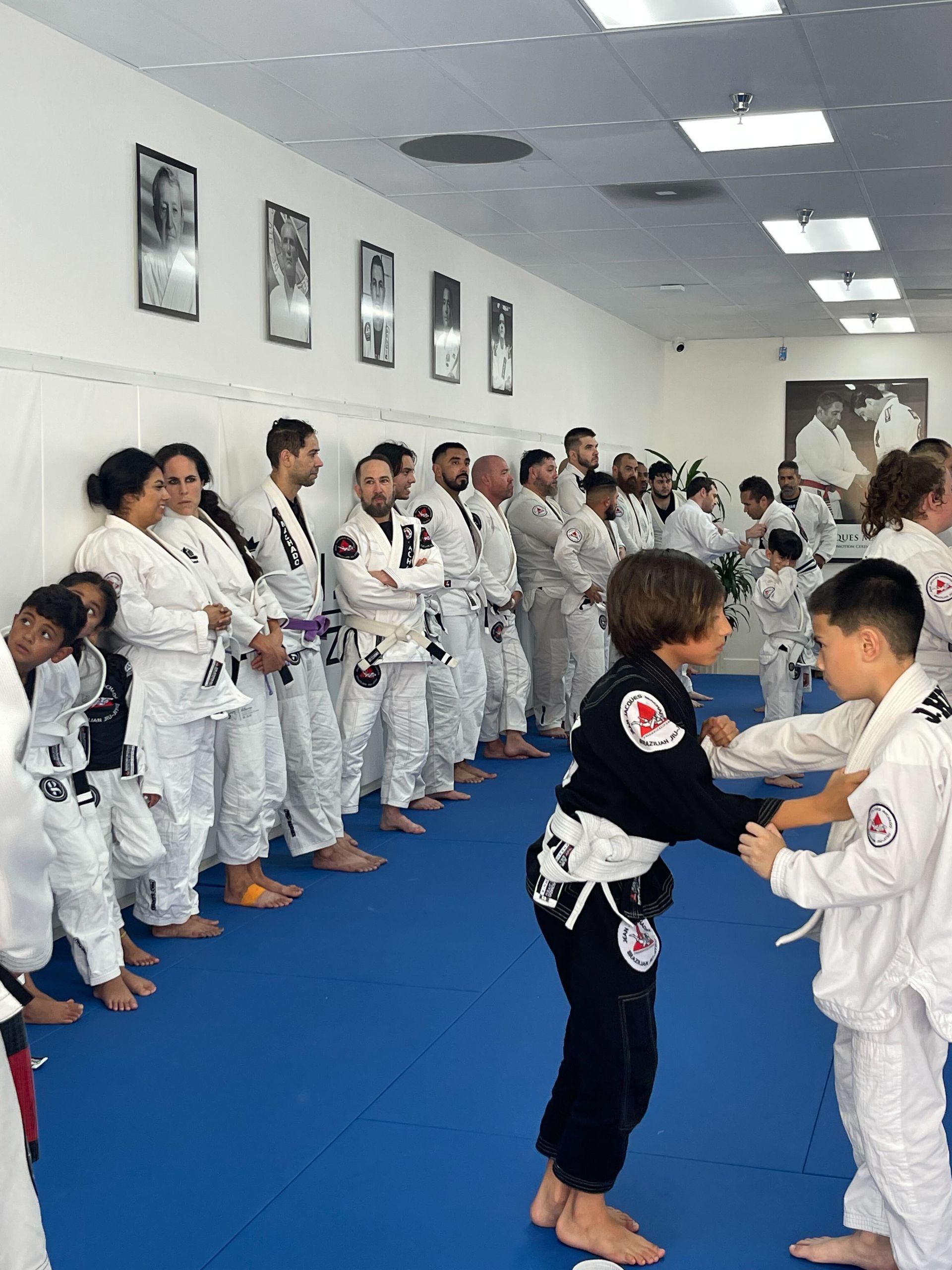
Safety is not optional, especially in Martial Arts Classes in Fresno CA that involve contact. Our classes are coached and controlled. We match kids appropriately, teach them how to care for partners, and insist on rules that keep training constructive.
Just as important, we teach what restraint looks like. In jiu-jitsu, control is part of the art. Kids learn that being capable does not mean being reckless, and that is exactly the mindset you want in a stressful situation.
A simple conflict resolution framework we teach kids to use
When kids have a plan, they feel less overwhelmed. Here is a straightforward sequence we reinforce in age-appropriate ways, in class and through coaching moments.
1. Pause and breathe to regain self-control before responding
2. Use respectful words to set a boundary or clarify the issue
3. Create space and seek help early if the situation feels unsafe
4. Choose avoidance when possible, because walking away is a skill
5. Use physical techniques only as a last resort and only to get safe
This is why Youth Martial Arts is such a strong fit for families who want peaceful, capable kids. The point is not to “win” conflicts, it is to end them safely.
What to look for on the class schedule if conflict resolution is your goal
If your main goal is behavior, confidence, and social skills, consistency matters more than intensity. Look for a schedule you can realistically keep. Two to three days a week tends to be a sweet spot for many families because it creates momentum without burning kids out.
You will also want to notice how your child responds after class. Many parents tell us their kids seem calmer at home, more focused with homework, and more willing to talk through problems. That is the kind of change that makes Youth Martial Arts in Fresno feel like more than an activity.
Take the Next Step
If you want your child to learn how to stay calm, communicate clearly, and handle pressure without turning to physical aggression, Youth Martial Arts can be a powerful path. We build conflict resolution into the way we coach, correct, and structure every class so your child gets real practice, not just advice.
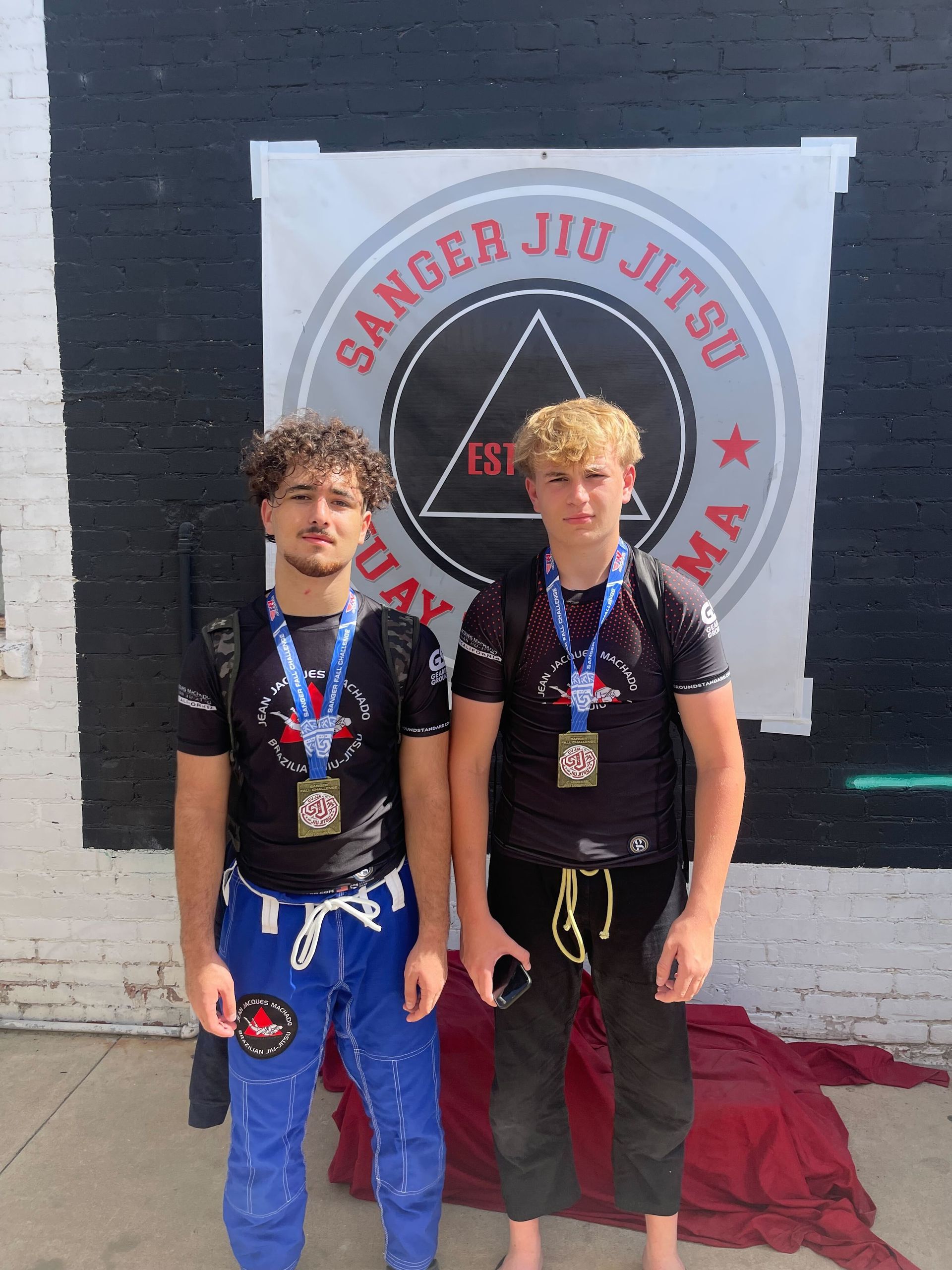
When you are ready to see how our training feels in person, we would love to welcome you to Jean Jacques Machado Jiu-Jitsu Fresno and help you find a program that matches your child’s age, personality, and goals. You can explore the website, check the class schedule, and take it one step at a time.
Ready to train? Join a Brazilian Jiu-Jitsu class at Jean Jacques Machado Jiu-Jitsu Fresno today.