The right training gives kids a clear path from small wins today to big confidence tomorrow.
Kids do not usually struggle with dreaming up goals. The tricky part is learning how to stick with them when progress feels slow, distractions show up, or confidence dips. That is where Youth Martial Arts training can become surprisingly practical, because every class turns effort into something you can see and measure.
In our Youth Martial Arts in Fresno programs, we coach kids through a goal-setting process that is built into the training itself. They learn how to show up, try, adjust, and try again, even when a technique does not click right away. Over time, that mindset tends to spill into school, home routines, and the way kids talk to themselves when something feels hard.
For many Fresno families, the real win is not just learning self-defense. It is watching a child go from avoiding challenges to leaning into them, one class at a time, with a structure that makes goal achievement feel normal.
Why goal-setting is built into Youth Martial Arts training
Youth Martial Arts works because it makes progress concrete. In a typical week, kids get immediate feedback: a stance feels more balanced, a grip is more controlled, a movement that felt awkward starts to feel natural. Those are small goals, and kids feel them in their own bodies, not just in a conversation.
We also keep goals age-appropriate and realistic. A younger child may focus on listening the first time, staying in their spot, or remembering a single movement pattern. Older kids can handle longer sequences, more problem-solving, and more responsibility during partner drills. The point is that everyone can improve, starting exactly where you are.
And because martial arts class has a beginning, middle, and end, kids practice setting a goal for a short window of time. That is a skill many adults still work on, so seeing kids start early is pretty rewarding.
The simple goal framework we use with kids (without making it feel like homework)
If you have ever tried to help a child set goals, you know what happens: it can turn into a big talk that goes nowhere. On the mats, we keep it simple. We tie goals to behaviors kids can control, then repeat them until the behavior becomes part of who your child is.
Here is what that often looks like in class:
1. Show up consistently, even when you are not in the mood
2. Focus on one skill at a time instead of trying to “win” everything
3. Practice with control so you can train safely with partners
4. Ask questions, then apply the feedback on the next repetition
5. Track progress through small milestones that build toward the next level
This is one reason Martial Arts in Fresno can be so helpful for children who feel overwhelmed. Instead of “be better,” the goal becomes “do this one thing well today,” and kids can actually succeed at that.
How Brazilian Jiu-Jitsu teaches kids to break big goals into small steps
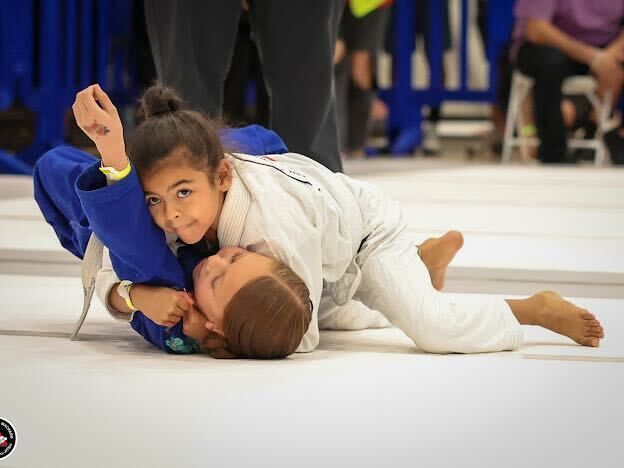
Brazilian Jiu-Jitsu is a problem-solving art. Kids learn positions, escapes, and control, but they also learn how to think: if this happens, then do that. When something fails, we teach kids to adjust the angle, change the grip, improve posture, and try again. That is goal-setting in real time.
A good example is learning an escape from a pin. At first, kids may only remember the first step. Then they add the next detail. Then they can do it with light resistance. Eventually, they can do it when a partner is actively trying to hold them. Each stage is a reachable goal, and each stage builds confidence without needing a big speech.
This is also why many families like BJJ for kids who are smaller or less naturally “athletic.” Technique and leverage matter. Progress does not depend on being the strongest kid in the room. It depends on being willing to learn.
Belt progressions as a healthy milestone, not the only goal
Kids like earning rank, and that is normal. Belts and stripes give structure and motivation, and they help kids see that consistent practice leads somewhere. But we also teach that rank is not the whole story.
In Youth Martial Arts, the deeper goal is personal growth: better focus, better self-control, better decision-making under pressure, and better resilience when things do not go your way. Belts reflect progress, but the habits behind the belt are what matter most in daily life.
If your child is the kind of kid who wants results immediately, martial arts is a gentle reality check. Improvement is real, but it is earned. That lesson is powerful, and it tends to show up in homework habits, chores, and how kids respond to coaching at school or in sports.
What a goal-focused youth class looks like in real life
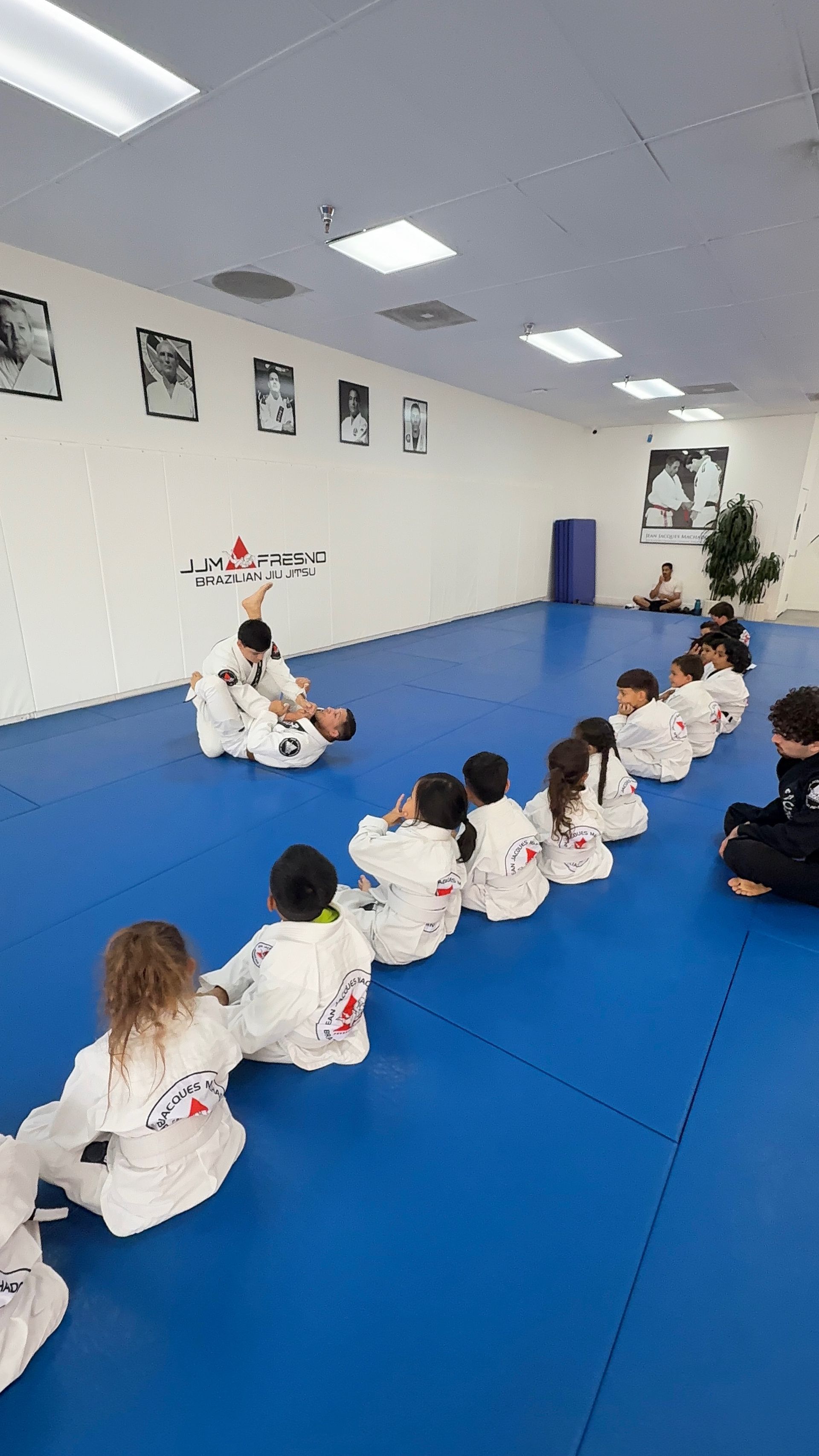
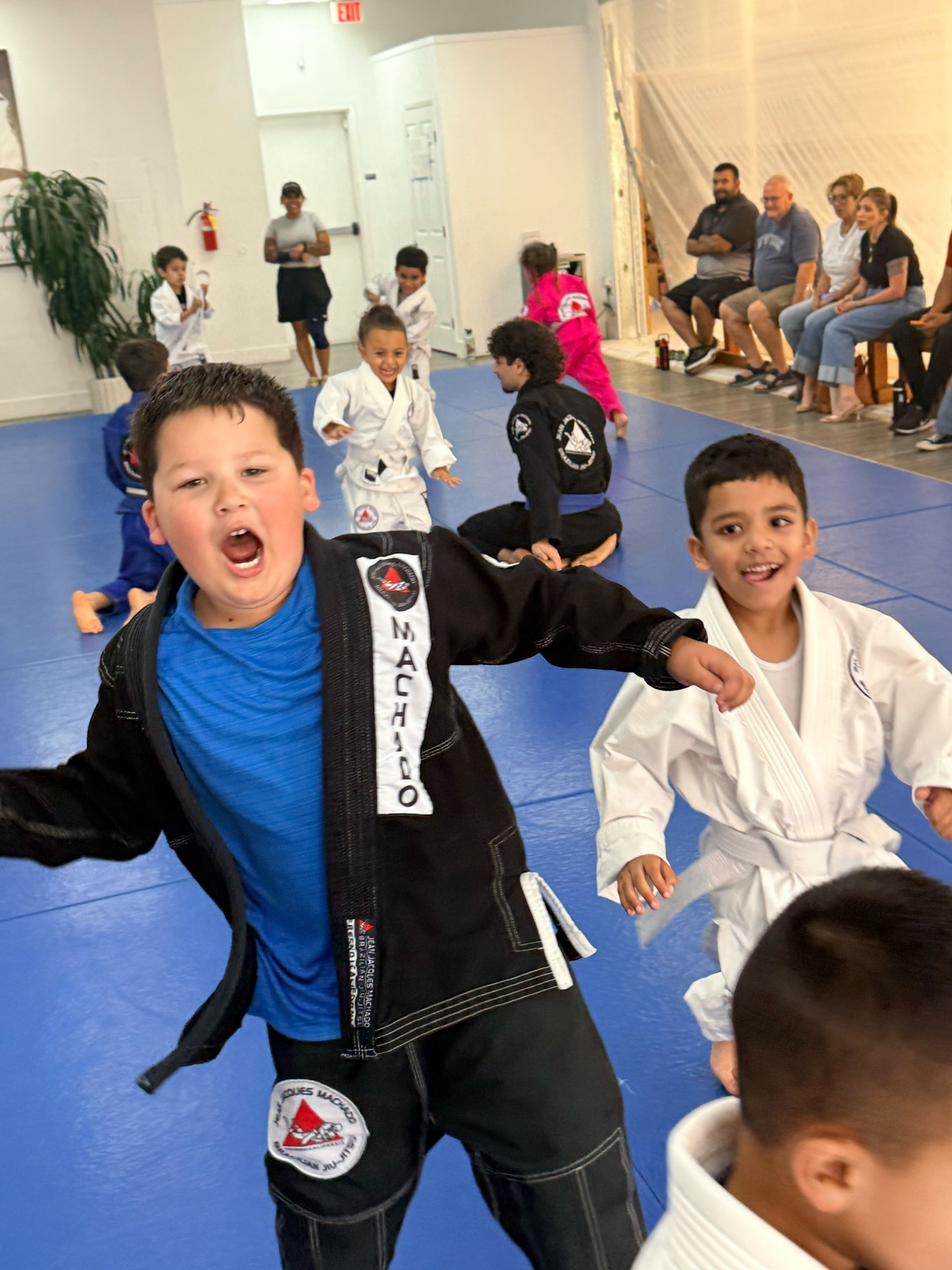
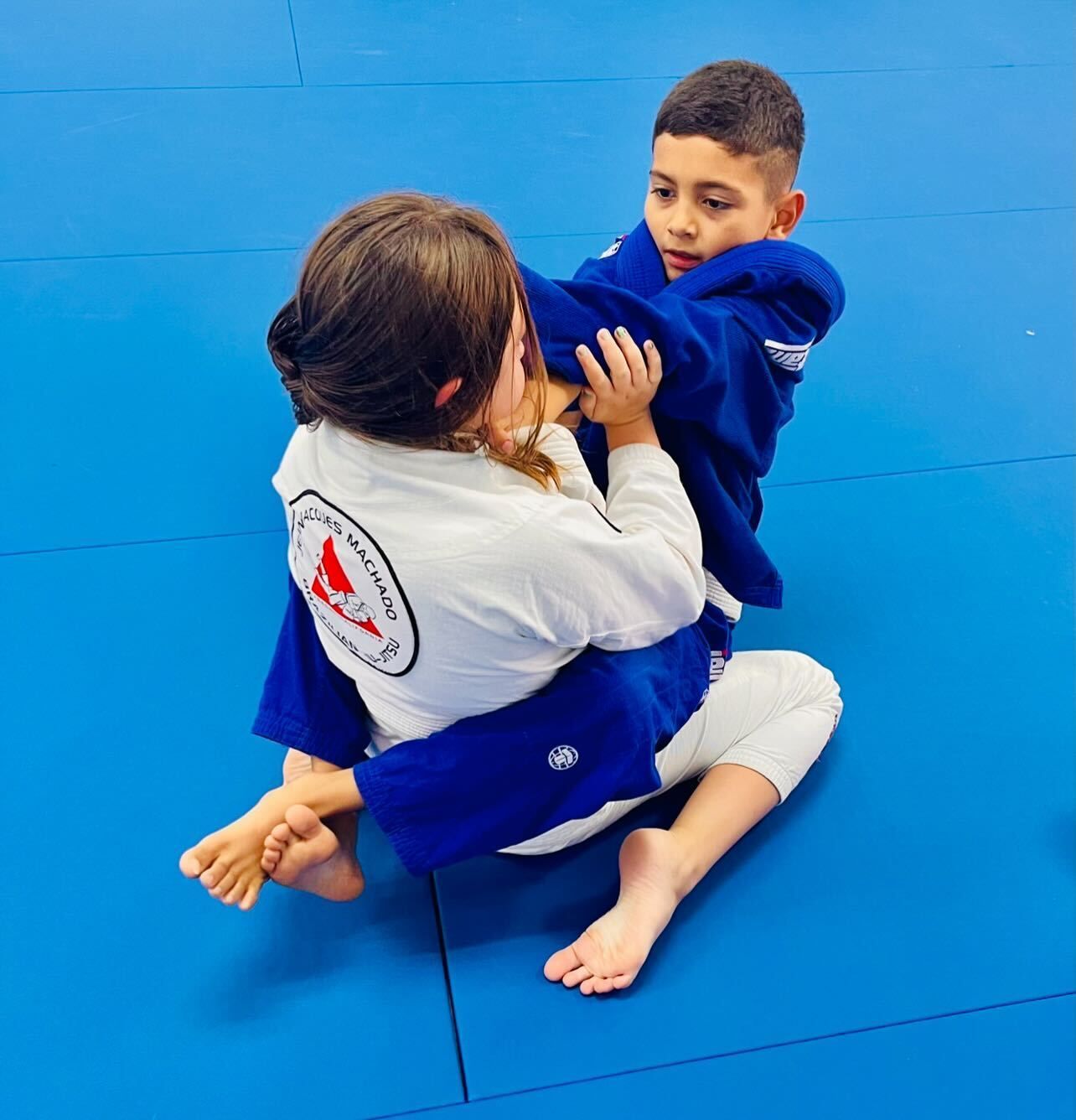
Our kids classes stay structured, but they do not feel stiff. We blend technique, drills, movement, and games that train specific skills like timing, balance, and attention. Kids get chances to lead by example, partner up respectfully, and learn what it means to be a good teammate.
A typical class includes clear expectations that support goal-setting:
- A consistent warm-up routine that builds coordination and conditioning over time
- Skill practice where kids repeat the same movement enough times to own it
- Partner drills that teach cooperation, control, and safe physical contact
- Coach feedback in the moment, so kids can adjust immediately
- A cool-down or closing moment that reinforces effort and respectful behavior
When kids know what to expect, they relax. When they relax, they learn faster. And when they learn faster, goals stop feeling like pressure and start feeling like progress.
Building focus and follow-through for school and home
One of the most common things parents tell us is that focus improves outside the gym. That makes sense because focus is a trainable skill. In class, kids practice paying attention while their bodies are moving, while partners are interacting, and while instructions change quickly. That is more challenging than focusing on a quiet worksheet.
Youth Martial Arts in Fresno also gives kids practice finishing what they start. Even when class includes fun games, the standard is still to listen, reset quickly, and rejoin the group with good energy. Those are small moments of discipline, repeated many times.
Over weeks and months, kids build a personal identity around follow-through. Instead of “I quit when it gets hard,” the story becomes “I stick with things.” That shift can be subtle at first, then suddenly obvious.
Emotional regulation: staying calm when things feel uncomfortable
Goal-setting is emotional. Kids can get frustrated, embarrassed, or anxious when they cannot do something yet. Martial arts gives us a safe way to teach emotional regulation without shaming kids for having feelings.
We coach kids to breathe, reset posture, and try again. We also normalize the learning curve. Everyone struggles with new skills, and nobody improves in a straight line. When kids experience that reality in a supportive environment, it becomes easier to handle setbacks at school or in friendships.
This is especially relevant post-pandemic, when many families have noticed increased anxiety and lower frustration tolerance in kids. Training gives children a predictable place to practice discomfort in a controlled way, and then come out the other side successfully.
Confidence that comes from capability, not hype
There is a difference between telling a child “you are amazing” and helping a child do something hard. The second one builds durable confidence, because it is based on evidence.
In Martial Arts in Fresno training, kids earn that evidence:
- They learn how to move their body with better coordination and balance
- They practice self-control, including how to use strength appropriately
- They solve problems against resistance, which is hard to fake
- They get comfortable being a beginner, which is a life skill by itself
Over time, kids stand a little taller. Not because we tell them to, but because their nervous system learns, “I can handle this.”
Anti-bullying skills and healthier boundaries
Parents often ask about bullying, and it is a fair concern. We approach this with a whole-picture mindset. Physical techniques matter, but prevention and awareness matter too.
We teach kids to recognize unsafe situations, use confident body language, and speak clearly. We also build social skills through partner work: taking turns, respecting space, and being responsible for someone else’s safety while drilling. That empathy piece is important.
When kids do learn grappling and control, they gain tools that can help them protect themselves without relying on strikes. The goal is not to create aggressive kids. The goal is to create calm kids who know what to do, and who have the self-control to choose the safest option.
How competition can support goal achievement for the right kids
Not every child wants to compete, and we do not treat competition as a requirement. But for some kids, competition becomes a healthy way to set a deadline, manage nerves, and learn from outcomes.
Competition can teach:
- Planning and preparation over several weeks
- Handling adrenaline and staying focused under pressure
- Respectful winning and respectful losing
- Reviewing performance and setting the next goal
Even kids who feel anxious often grow from the experience, because they learn that fear is not a stop sign. It is a signal to prepare, breathe, and take one step forward anyway.
Choosing the right goals for your child’s age and personality
Goal-setting works best when it fits your child, not when it matches what another kid is doing. We encourage parents to think in terms of process goals instead of outcome goals.
Process goals might sound like:
- “Raise your hand and ask one question today.”
- “Keep your hands to yourself and listen the first time.”
- “Try the technique three times before you say you can’t.”
- “Be a good partner and help someone else learn.”
Those goals are measurable, and kids can succeed quickly, which builds momentum. Then bigger goals become realistic, because the foundation is already in place.
Getting started is easier than most parents expect
Families sometimes assume kids need to be coordinated, tough, or experienced to join Youth Martial Arts. In reality, beginners are exactly who our program is designed for. We coach fundamentals step by step, and we keep the environment safe and structured.
To start, your child just needs comfortable clothes, a willingness to participate, and a parent who can encourage consistency early on. The first couple of weeks are usually the biggest adjustment, not because training is too hard, but because new routines take a minute to settle.
Once kids start recognizing familiar drills and positions, the lightbulb moments show up. That is when goal-setting becomes fun, because your child can feel improvement happening.
Take the Next Step
Building goal-setting skills does not have to mean more lectures at home. In our programs, kids practice goals in motion: showing up, focusing, staying respectful, and learning how to work through challenges with steady effort. That training creates confidence that lasts because it is earned in small, repeatable steps.
If you want a place where your child can grow in discipline, resilience, and self-control while learning real Brazilian Jiu-Jitsu, we would love to help you begin at Jean Jacques Machado Jiu-Jitsu Fresno. You can use the website to explore the program details, check the class schedule, and choose a starting point that feels comfortable for your family.
Improve your strength, endurance, and self-defense skills by joining a Brazilian Jiu-Jitsu class at Jean Jacques Machado Jiu-Jitsu Fresno.