When your child learns to focus under pressure on the mat, school starts to feel more manageable, too.
If you are looking at Youth Martial Arts because your child is bright but distracted, stressed, or inconsistent with schoolwork, you are not alone. We talk with Fresno parents every week who say the same thing: their child can do the work, but staying on task is the hard part. The good news is that focus is a skill, and skills can be trained.
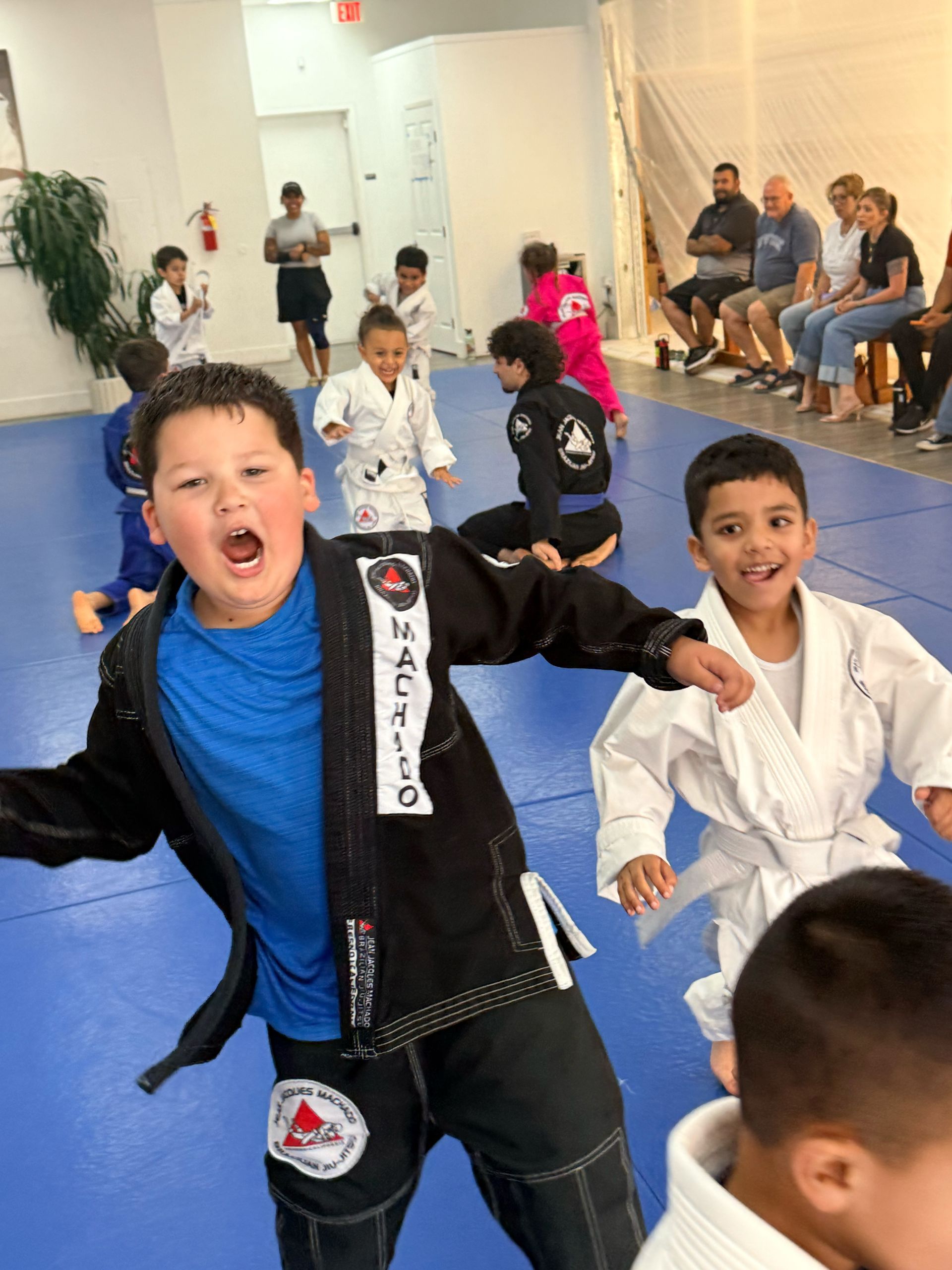
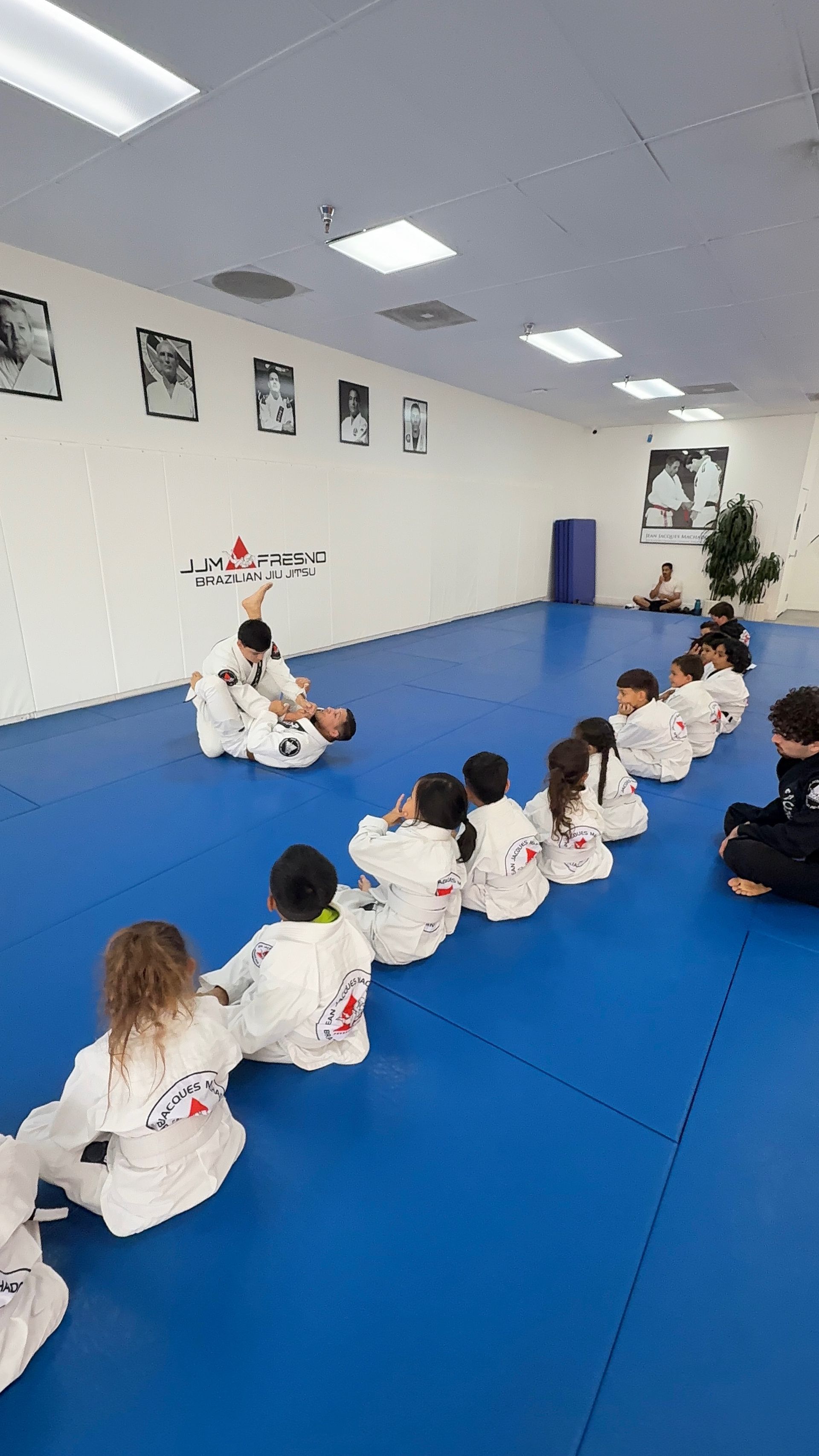
Our Youth Martial Arts in Fresno classes are designed to build attention, discipline, and follow-through in a way kids can actually feel in their bodies. That matters, because children do not learn focus only by being told to focus. They learn it by practicing it, repeating it, and getting feedback in real time.
In this article, we will explain how youth martial arts training supports school success, what the research shows, and what you can expect in our Martial Arts Classes in Fresno CA as your child develops stronger habits over time.
Why Youth Martial Arts Supports Focus Better Than Willpower Alone
Focus is a trained behavior, not a personality trait
Some kids seem naturally locked in, and some kids bounce from idea to idea. But in our experience, focus is not fixed. The structure of martial arts gives your child a consistent loop: listen, try, adjust, repeat. Over time, that loop becomes familiar, and familiar routines reduce mental clutter.
When kids know exactly what comes next, it is easier for them to settle in. That is one reason a structured class environment often works well for children who struggle in traditional classroom settings. Martial arts uses movement as the pathway to attention, and that kinesthetic learning style can be a game changer.
Research-backed improvements that show up at school
Studies on martial arts programs have found measurable gains in attention, sometimes as high as a 30 percent improvement compared to children who do not train. We also see benefits that match what researchers describe as stronger executive function: working memory, impulse control, flexible thinking, and planning. Those are school skills, even if they do not look like school skills at first.
A school-based karate intervention across multiple primary schools also showed reduced conduct problems while improving academic achievement. That combination matters for Fresno families because behavior and learning often move together. When kids can regulate themselves, learning becomes easier.
How Training Rewires the Brain for Learning
Repetition with purpose builds stronger attention pathways
In our Youth Martial Arts program, kids repeat the basics a lot. Not mindless repetition, but the kind that asks for small improvements: better posture, cleaner movement, calmer breathing, sharper listening. That constant cycle of practice and correction is one of the most underrated parts of training.
Neuroscience research suggests martial arts training can support the brain systems involved in attention and self-regulation. In plain terms, kids get better at noticing what they are doing and adjusting. That is the same mental process your child needs for editing a paragraph, checking math work, or staying with a long reading assignment.
Calm body, calm mind, better choices
A child who feels overwhelmed will often look unfocused. We work on calming skills inside the class, even when nobody calls them calming skills. Controlled movement, respectful pacing, and breathing through effort all teach the body to stay steady. Then your child can make better decisions instead of reacting fast and regretting it later.
Parents often tell us the emotional regulation is the surprise benefit. They expected fitness and confidence, but what shows up at home is a child who can pause before melting down, or try again instead of quitting.
What “Better Focus” Looks Like Week to Week
The first month: learning to follow the class rhythm
Early on, most kids are simply learning the rules of the room: lining up, listening to cues, keeping hands to themselves, and finishing drills. This is where your child starts practicing delayed gratification. In school terms, it is the ability to wait your turn, stay seated, and complete the first part before jumping to the last part.
Months three to six: the transfer to homework starts to show
Many families report changes within 3 to 6 months. Sometimes it looks like better grades, but often it starts with better process: fewer reminders, faster transitions, and more consistent homework time. The discipline learned in class can transfer because it is practiced every session, not just discussed.
Longer-term: confidence and independence
As skills progress, kids begin to self-correct. Instead of waiting for an adult to fix everything, your child learns to notice, adjust, and try again. In school, that can look like asking for help at the right time, using a planner, or sticking with a project even when it gets boring.
Youth Martial Arts and Academic Skills: Math, Reading, and Memory
Why math improves when kids learn timing and sequencing
Martial arts drills build a sense of sequence: step, grip, move, base, finish. That kind of ordered thinking supports math, where the steps matter. When kids train consistently, they get used to doing the process in order, even when the process is not instantly fun.
Research has also reported gains in mathematics among children participating in karate programs. We cannot promise a specific grade outcome for every child, but we can say that the training habits align with what math demands: patience, accuracy, and staying calm when you make a mistake.
Reading and comprehension benefit from sustained attention
Reading comprehension is partly about staying with the text long enough to understand it. Youth Martial Arts teaches kids to stay engaged through discomfort, whether that discomfort is physical effort or mental frustration. Over time, your child learns that a challenging task is not a signal to stop, it is a signal to reset and continue.
Memory improves, too, because kids are constantly asked to recall details: where to place hands, how to move the hips, when to shift weight. Those small memory reps add up.
Fresno-Specific Challenges We See and How We Address Them
More distractions, more stress, less downtime
Fresno families are busy. School, screens, sports, work schedules, and traffic all stack up. Many kids are overstimulated and under-recovered. Our classes give your child a structured hour where one thing matters: pay attention, move with purpose, and respect the room.
Conduct issues and confidence dips
When a child struggles academically, confidence can drop. When confidence drops, behavior can get louder or more withdrawn. Martial arts gives kids a place to earn progress through effort. That can rebuild self-esteem in a grounded way, because it is tied to consistent practice, not empty praise.
Our goal is to create a safe, positive environment where your child learns accountability without feeling shamed. That balance is important. Kids do better when expectations are clear and supportive.
What Your Child Practices in Our Youth Martial Arts Classes
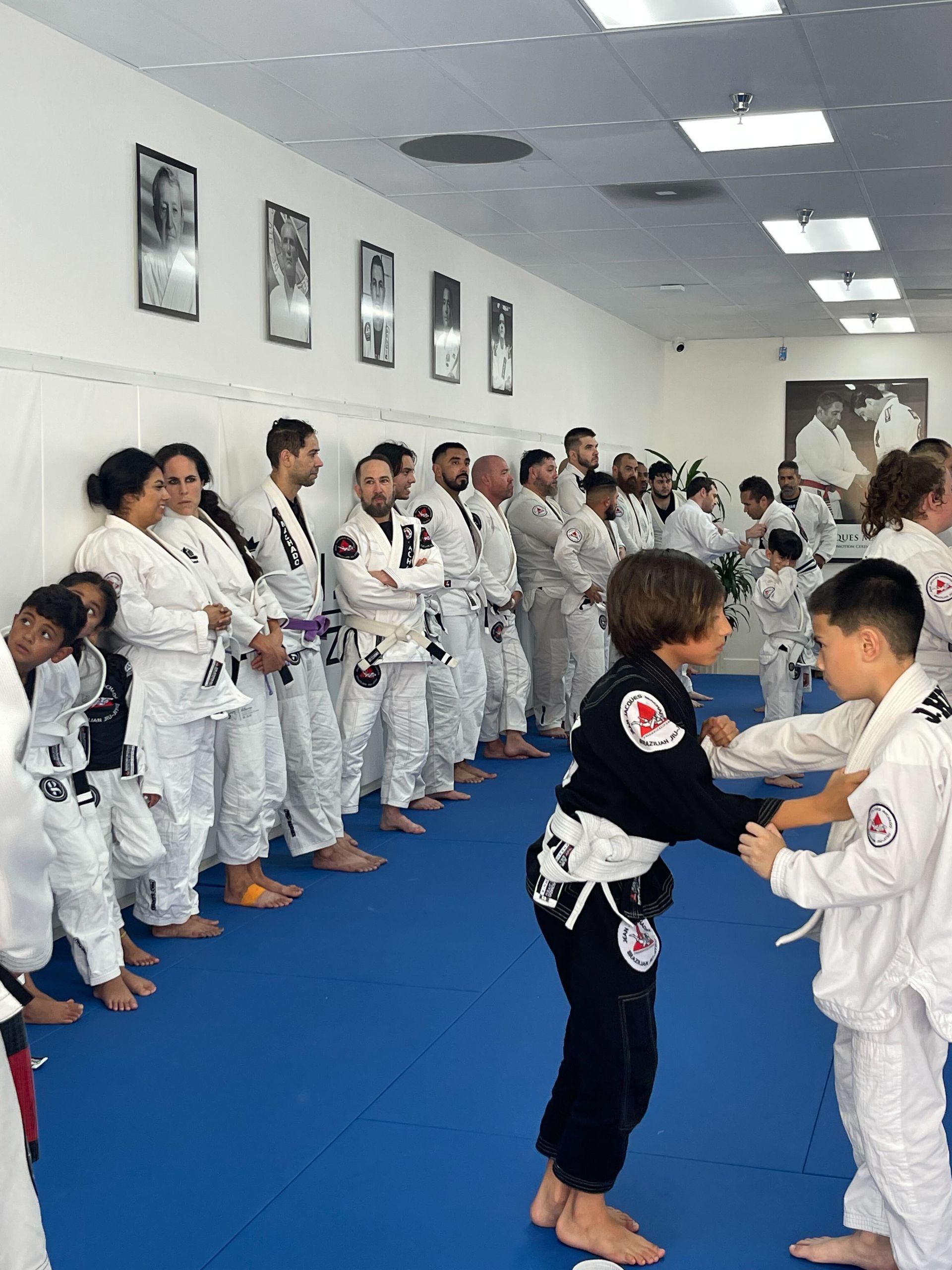
Our Martial Arts Classes in Fresno CA follow a routine that helps kids feel secure while still being challenged. Here are a few core elements your child will practice regularly:
• Listening and responding quickly to simple instructions, which builds classroom-ready attention habits
• Controlled movement and safe partner drills that teach cooperation and respect for boundaries
• Step-by-step skill building that strengthens working memory and problem-solving
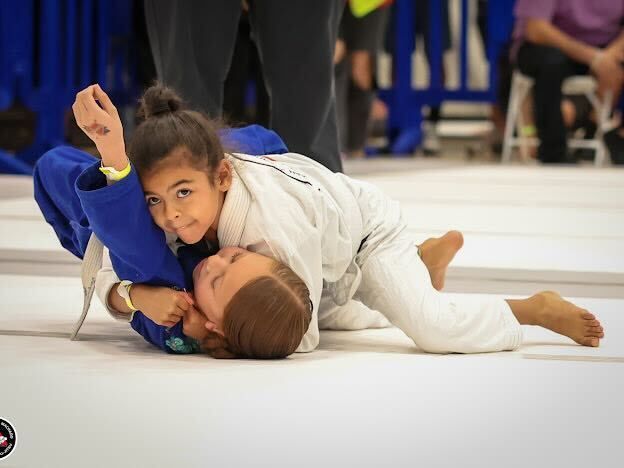
• Calm under pressure through paced effort, breathing, and structured challenges
• Goal-setting through clear milestones that reward persistence, not just talent
This is the heart of Youth Martial Arts in Fresno: the skills are physical, but the outcomes reach into daily life.
Safety, Structure, and Age-Appropriate Training
Safety is built into the way we teach
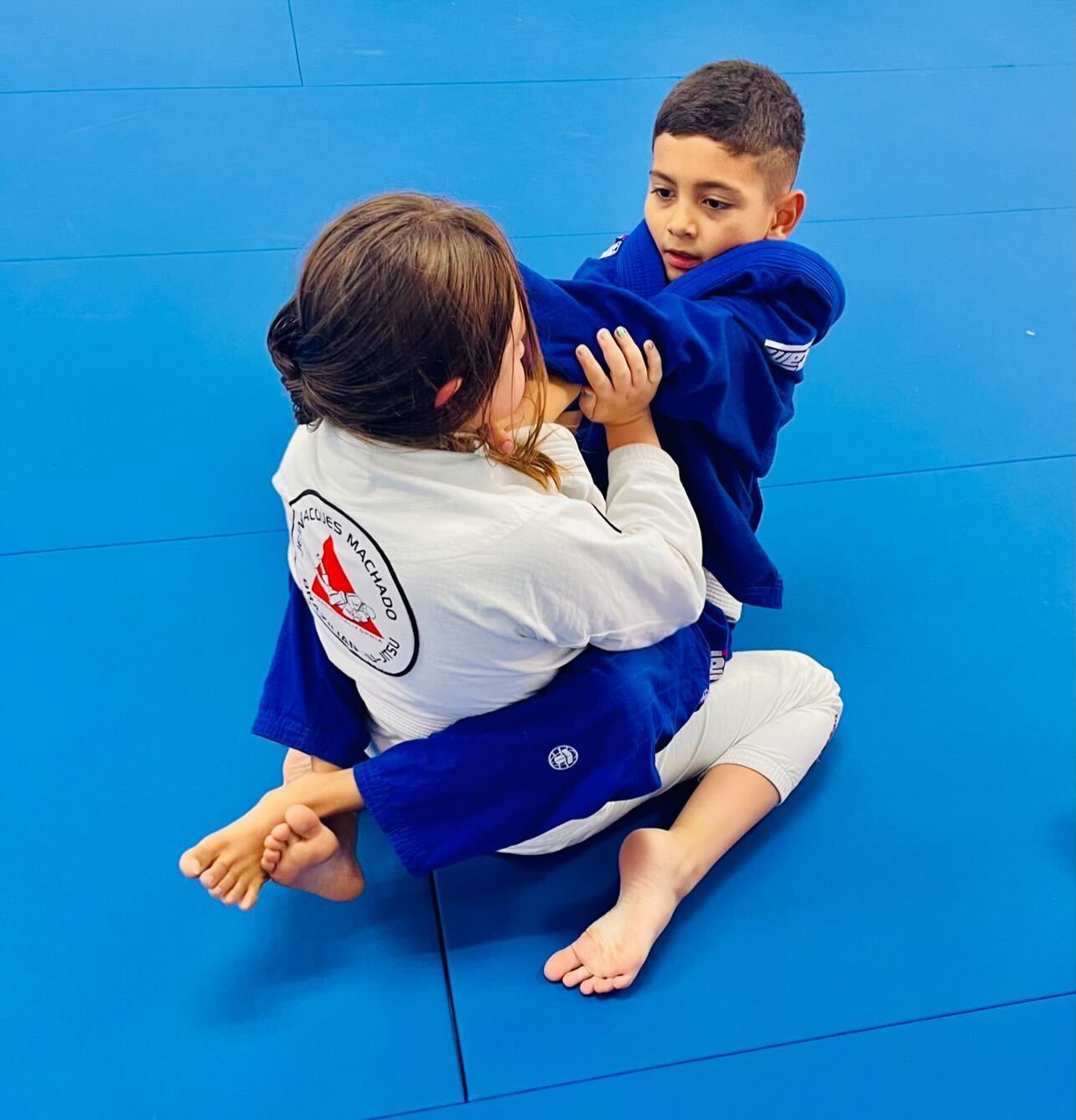
Parents have fair questions about safety, especially for younger kids. Our youth program uses age-appropriate techniques, careful supervision, and a strong emphasis on control. We focus on learning, not reckless intensity. Kids are taught how to be good partners before they are taught anything advanced.
Starting young can be a real advantage
More children are starting structured training earlier now, including six-year-olds who can follow routines, build coordination, and learn complex movements when the teaching is organized. Early engagement helps kids develop focus habits before school demands ramp up.
A Simple Timeline: How School Benefits Often Unfold
Every child is different, but this general timeline matches what many families experience with Youth Martial Arts:
1. Weeks 1 to 4: your child learns the room, the rules, and how to stay engaged for a full class
2. Months 2 to 3: better impulse control shows up at home, with smoother transitions and fewer conflicts
3. Months 3 to 6: improved homework consistency and more confidence with challenging school tasks
4. Beyond 6 months: stronger independence, calmer stress response, and more stable academic habits
If you want a practical next step, the best approach is simply to start and watch what changes first: focus, behavior, or confidence. Often, all three move together.
Common Fresno Parent Questions About Youth Martial Arts
### Will this help if my child struggles in school?
Yes, martial arts can help, especially when the challenge is attention, consistency, or self-control. Because the learning is physical and structured, kids often understand it faster than purely verbal coaching.
How long until we notice a difference?
Many parents notice changes within 3 to 6 months, particularly in routine and follow-through. Some families notice small wins earlier, like better listening and calmer evenings.
Can this help with anxiety or big emotions?
Our classes teach kids how to steady themselves under pressure. That supports emotional regulation, which can reduce anxious behaviors and help kids recover faster from frustration.
What makes our approach effective?
We emphasize discipline, respect, and personal growth through structure and clear expectations. Kids know what to do, what to work on, and how to improve, and that clarity is powerful.
Take the Next Step
Building focus and school success is not about forcing your child to be someone else. It is about giving your child a training environment where attention, self-control, and confidence get practiced until they feel normal. That is what we aim to deliver every day, and it is why our youth students often carry these habits straight into the classroom.
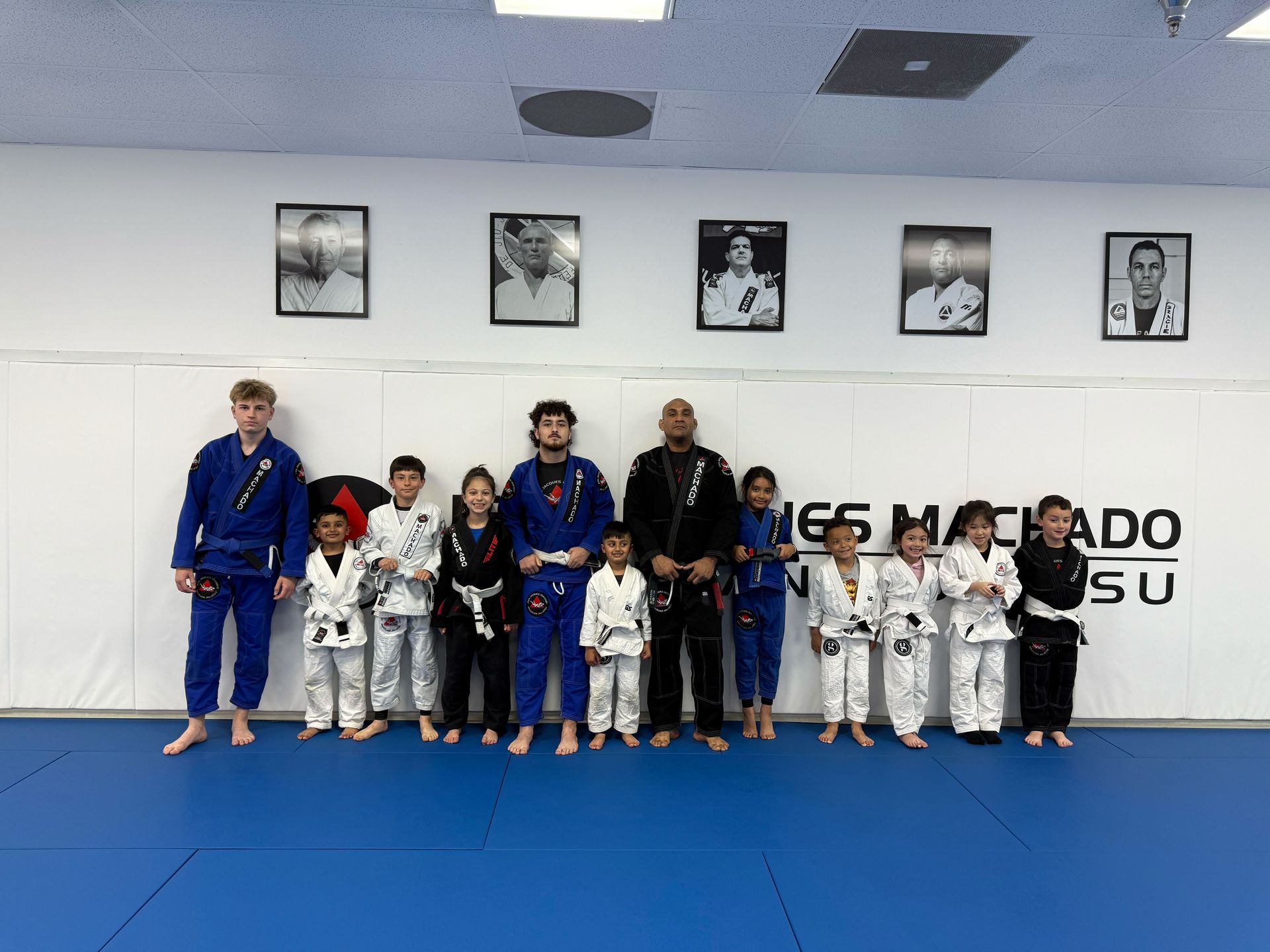
When you are ready, Jean Jacques Machado Jiu-Jitsu Fresno is here to help you start with a plan that fits your child’s age, personality, and school demands. We keep the process simple, and we will guide you through the first steps so your family feels comfortable from day one at Jean Jacques Machado Jiu-Jitsu Fresno.
Put these techniques into action by joining a Brazilian Jiu-Jitsu program at Jean Jacques Machado Jiu-Jitsu Fresno.