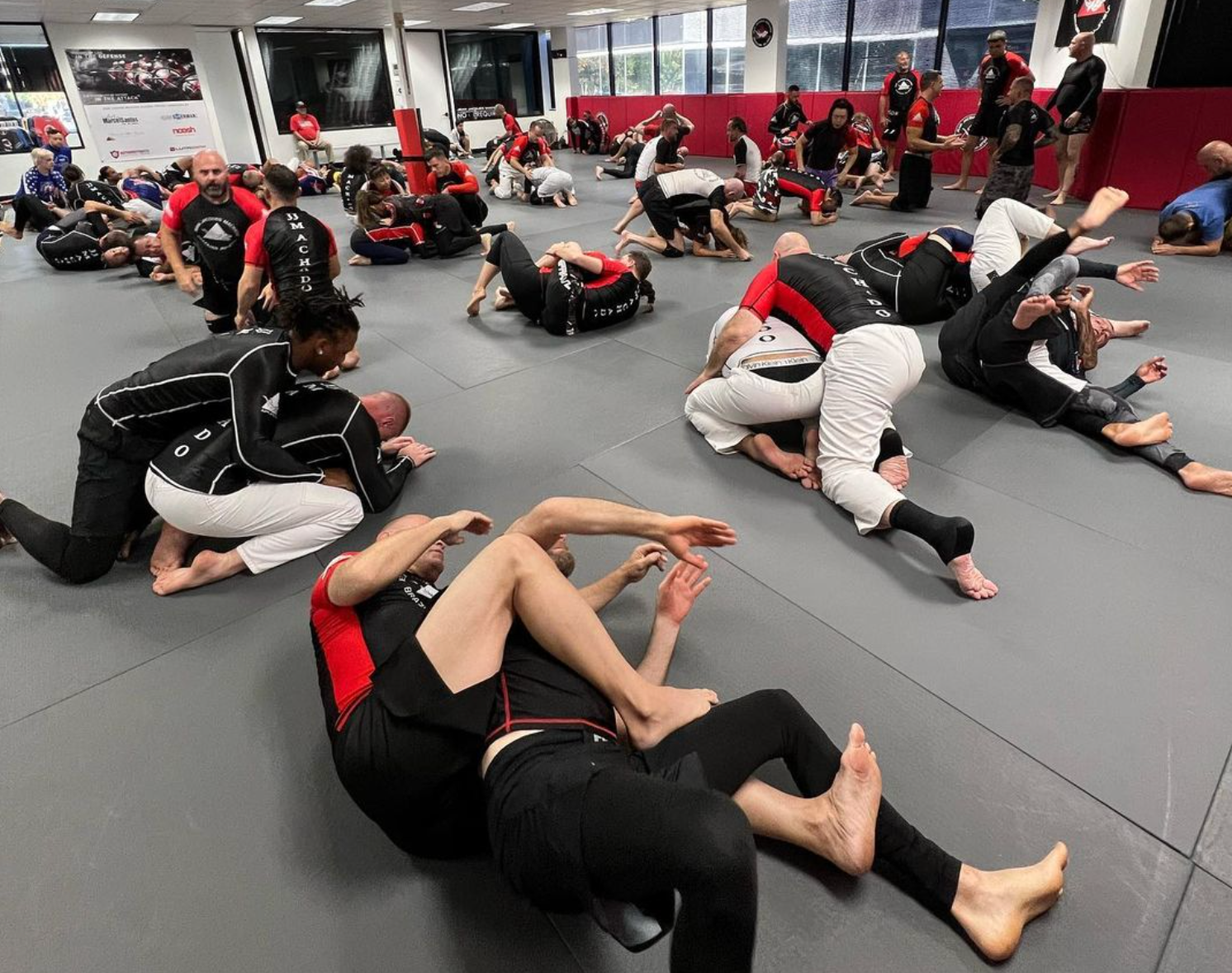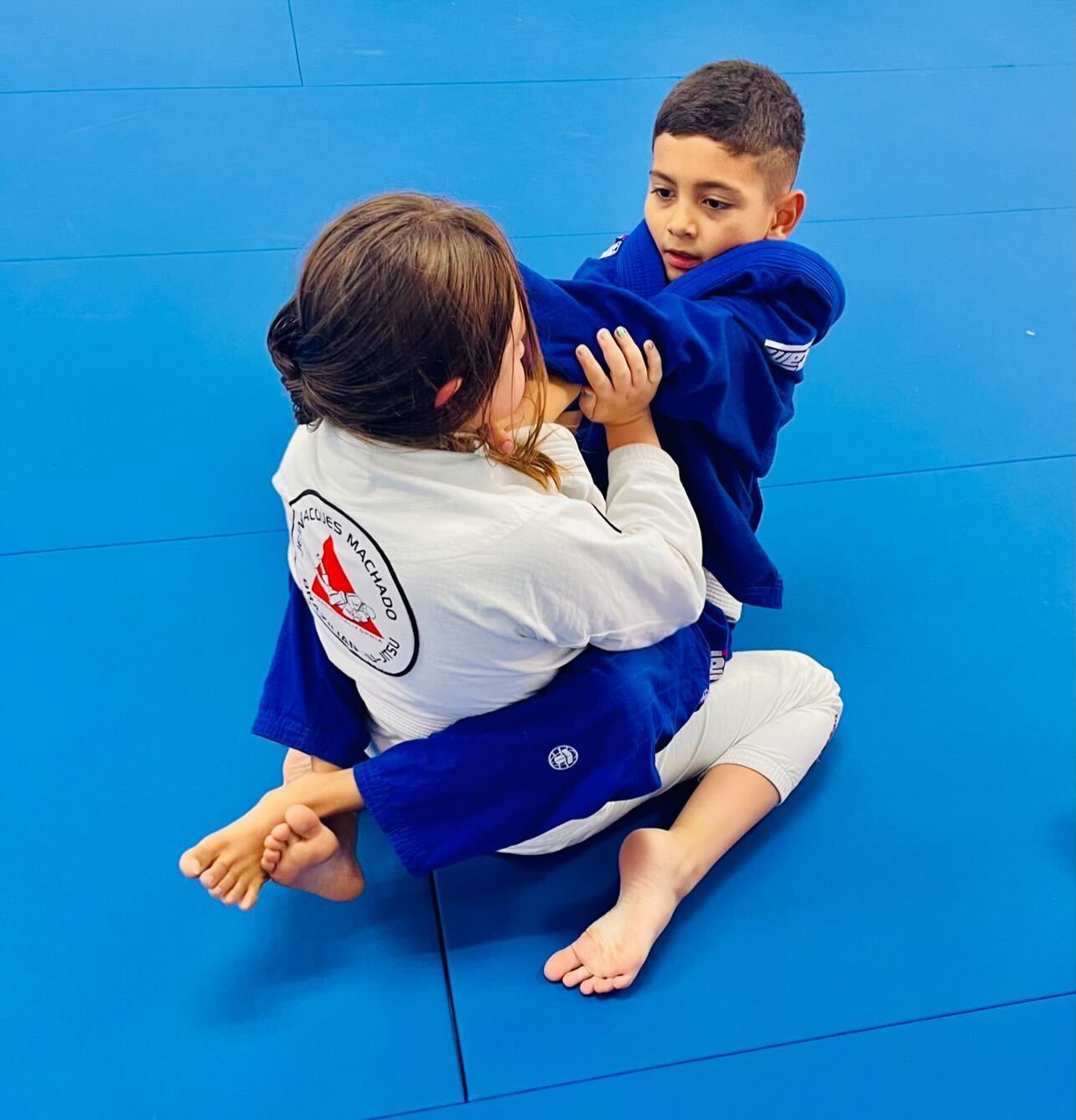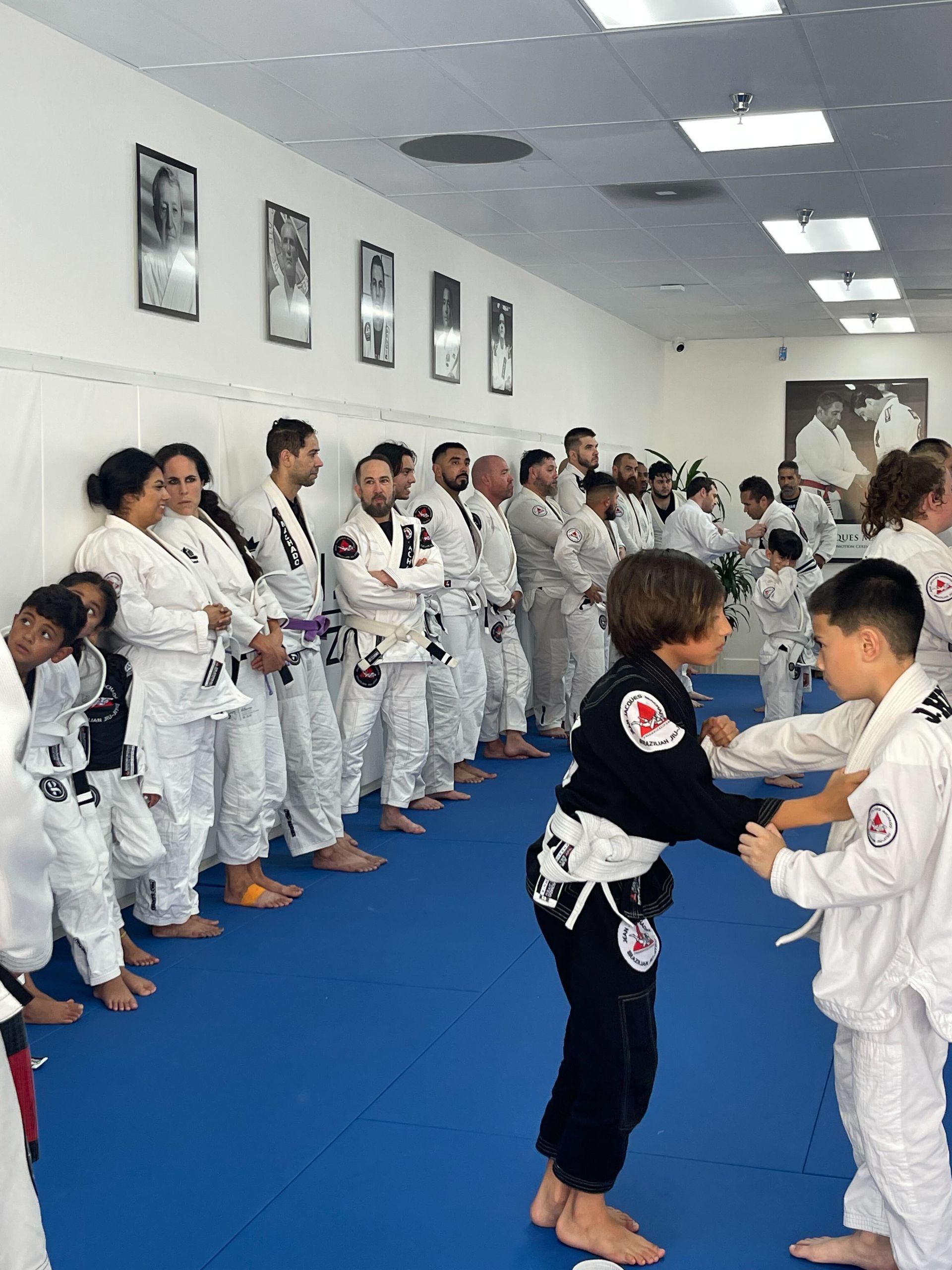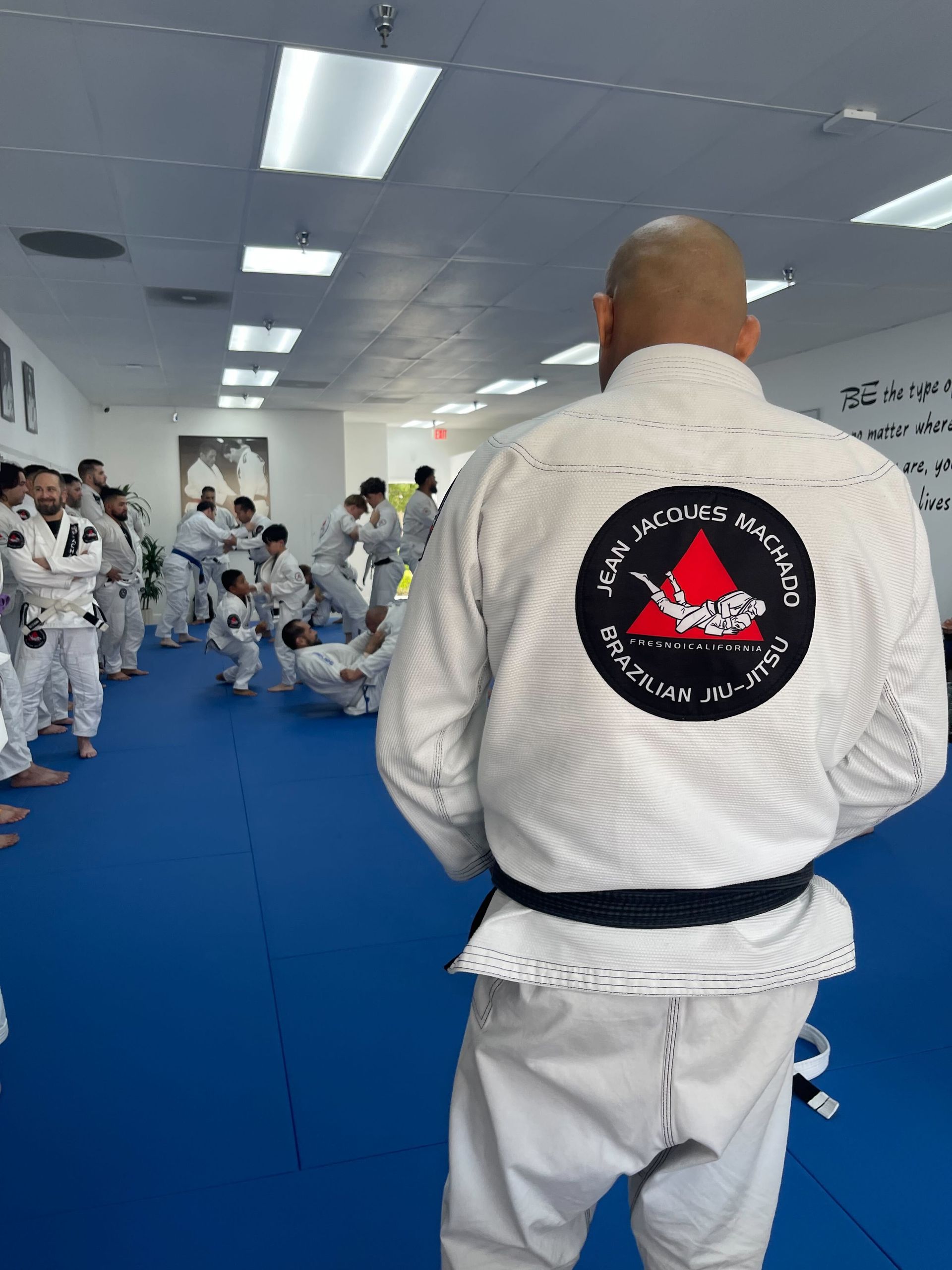
In Fresno, confidence is not something kids either have or do not have, it is something we can train on purpose.
Confidence looks different on every kid. For some, it is raising a hand in class without second guessing. For others, it is walking past a group of loud peers without shrinking. In our martial arts classes, we get to watch confidence become a skill, built step by step in a way you can actually see.
Parents usually start by asking about self-defense, fitness, or bullying. Those are valid concerns, especially right now. But what often surprises families is how quickly training starts to show up in everyday life: better posture, calmer reactions, and a kid who can say, “I can handle this,” and mean it.
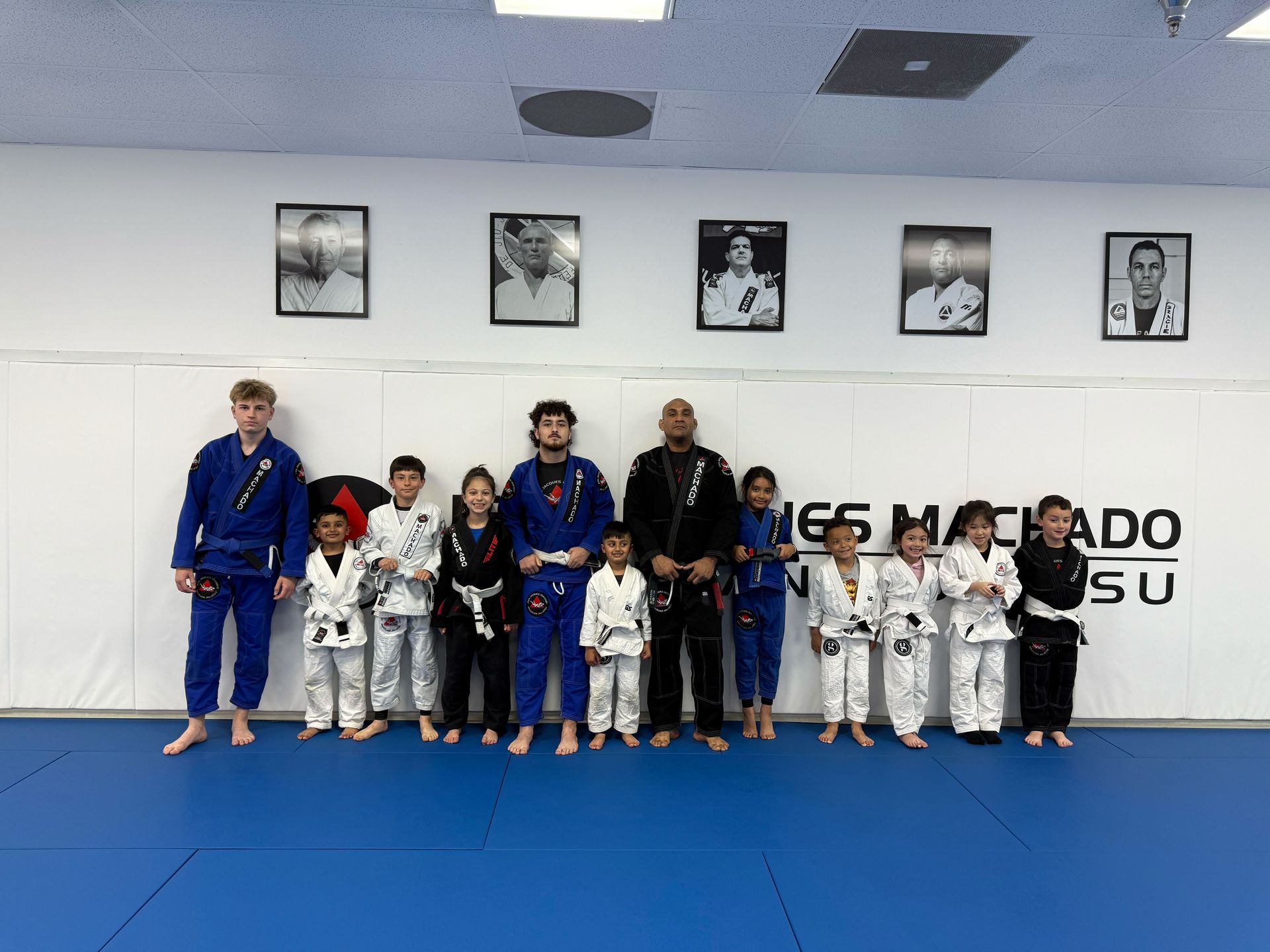
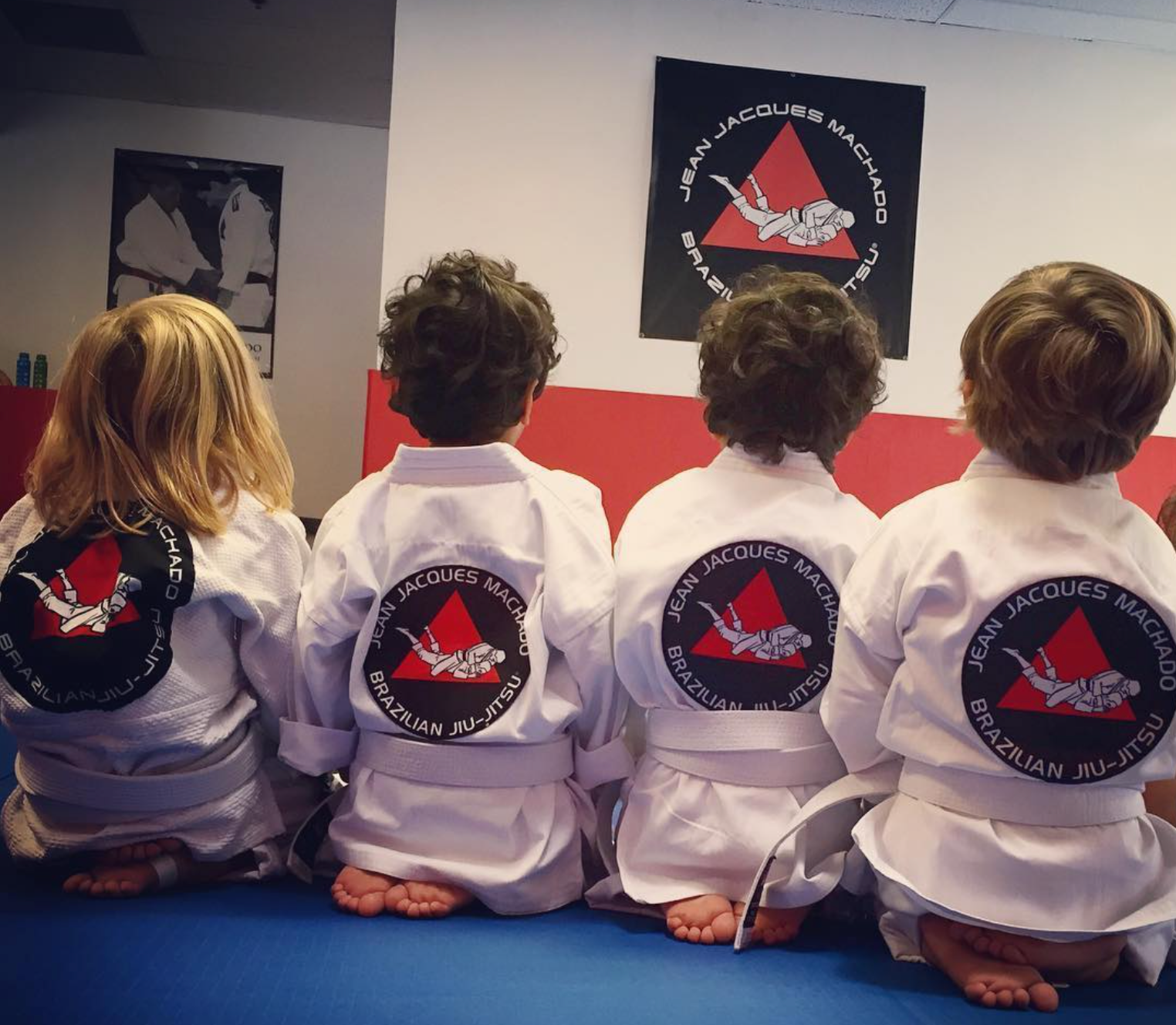
We work with Fresno youth from beginners to more experienced students, and our approach stays consistent: structured progress, clear expectations, and a supportive team environment. That combination is where real change happens, and it is why martial arts keeps growing as a confidence builder for young people across the country and here at home.
Why martial arts builds confidence differently than most activities
Confidence is not just encouragement. It is earned evidence. When your child learns a new movement, remembers it under pressure, and practices it with a partner respectfully, that is proof of capability. Martial arts is designed to create those moments over and over, without needing a stage, a scoreboard, or a personality that is already outgoing.
We also see a big difference when kids train in a structured system with tangible milestones. Belt progressions and curriculum checkpoints give your child something concrete to work toward. Studies and parent reports back this up, including feedback showing notable gains in confidence, self-control, and resilience when kids stick with training consistently.
In our youth program, confidence is built through repetition and coaching, not hype. A shy student does not have to “become loud” to thrive. Your child just needs a process that rewards effort, teaches composure, and shows them what progress feels like.
Confidence starts with predictability and small wins
When kids feel unsure, unpredictability can make everything harder. One reason martial arts training helps is that class has a rhythm: warmup, skill development, drills, and partner work in a controlled setting. Knowing what comes next lowers anxiety and makes it easier to participate.
Small wins are part of every class. A student might finally remember a sequence, keep balance during a drill, or speak clearly when answering a question. These may sound like little things, but for the kid living it, it can be huge. We try to notice those moments and build on them.
Over time, those wins stack. Your child stops measuring confidence by mood and starts measuring it by actions: showing up, trying again, improving, and staying respectful even when frustrated.
Belt progression teaches a growth mindset in a way kids understand
Most kids do not naturally think in long time horizons. Belt systems fix that. A belt is not handed out for “being good” or “having talent.” It represents consistent practice and the ability to meet specific standards. This is powerful for confidence because it makes progress feel real and fair.
We like belt progression because it rewards what kids can control:
- Attendance and consistency
- Effort during drills
- Respectful behavior with partners
- Willingness to learn from feedback
- Patience when progress feels slow
Research and parent feedback in youth programs often point to these same qualities: discipline, reduced impulsivity, improved focus, and higher self-esteem. The belt is a symbol, but the real value is the habit behind it. When your child learns, “I can earn improvement,” confidence becomes durable.
The anti-bullying benefit: posture, voice, and calm boundaries
Families frequently look for martial arts in Fresno because bullying is a real concern. While we always aim for restraint and safety, training can help kids feel less helpless. The goal is not to turn your child into a fighter. It is to give your child tools: awareness, boundaries, and the ability to stay calm in tense moments.
A big part of that is what happens before any physical technique:
- Standing with a balanced posture instead of collapsing inward
- Making eye contact without staring aggressively
- Using a clear voice to set a boundary
- Knowing when to walk away and when to get help
When kids carry themselves differently, social dynamics often change. Confidence is readable. We see kids who used to avoid groups start walking through the school day with more steadiness. That shift alone can reduce targeting, because your child no longer looks like the easiest option.
Why Brazilian Jiu-Jitsu is especially strong for confidence without aggression
Many parents like the idea of non-striking training for youth because it feels more aligned with safety and self-control. Brazilian Jiu-Jitsu emphasizes leverage, problem solving, and positional control. It tends to reward patience and technique over brute force.
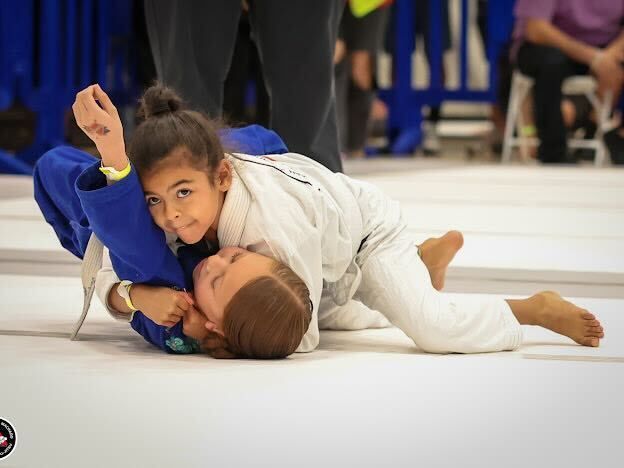
In practice, BJJ creates confidence in a very grounded way. Your child learns how to stay calm when something feels uncomfortable, like being pinned, and how to work through it step by step. That is resilience training, not just physical training.
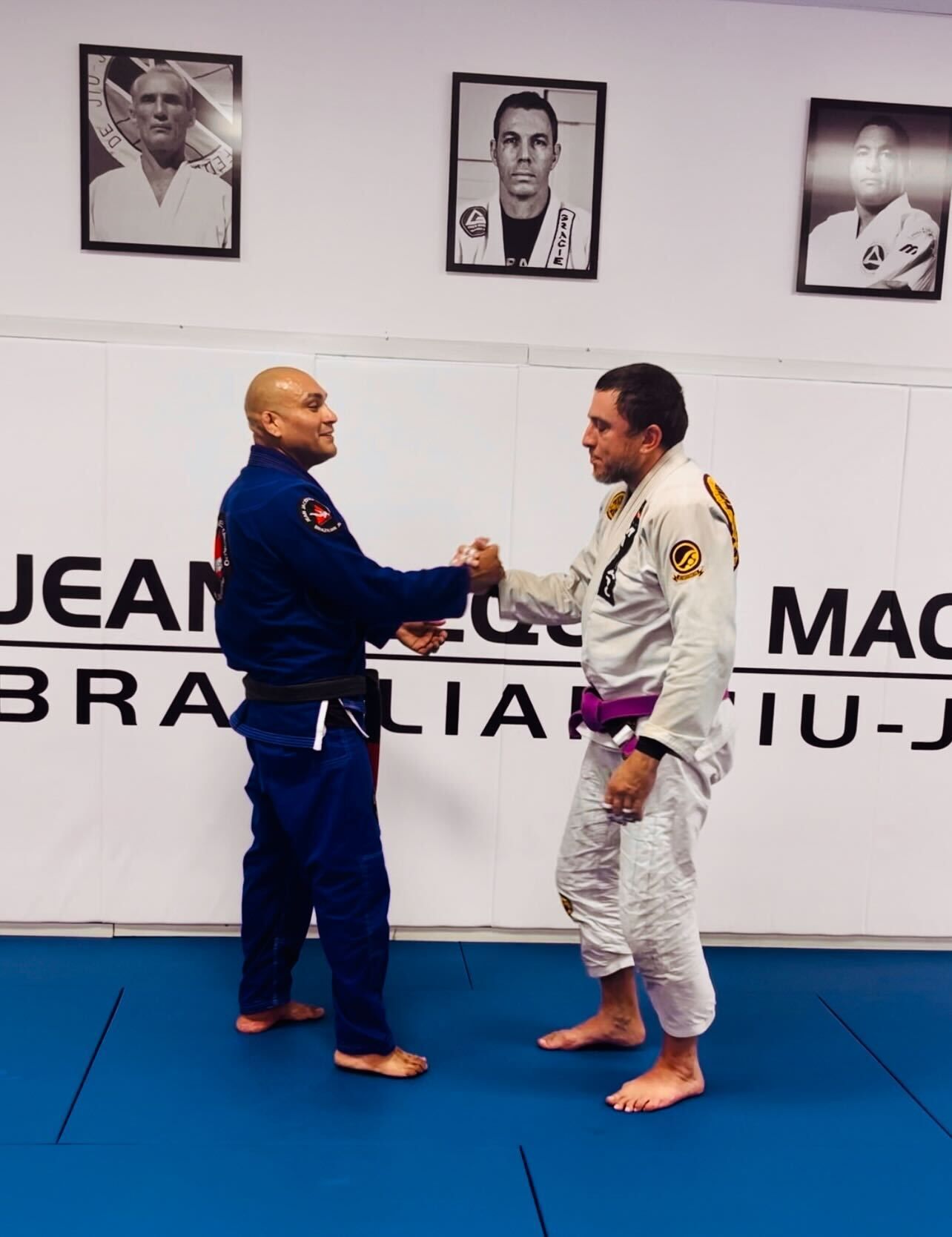
We also like how BJJ encourages respectful partner work. Kids learn quickly that training partners are not opponents to dominate. Partners are how everyone improves. That mindset supports social confidence, because your child learns to cooperate under pressure, communicate clearly, and treat others with care.
How often should kids train to build confidence
Consistency matters more than intensity. In many youth programs, a schedule of three sessions per week is commonly recommended for steady growth, especially for kids working toward larger goals like long-term belt progression. We generally see confidence gains accelerate when students train often enough that skills feel familiar, not forgotten between classes.
If your family schedule is tight, we help you choose something sustainable. The key is to create a rhythm your child can keep. Confidence grows when your child can say, “This is what I do,” instead of “This is something I tried.”
Here is a practical guideline we use when families ask what to expect:
1. First month: Your child learns class structure, basic movements, and partner etiquette
2. Months two to three: Techniques start clicking, and your child participates with less hesitation
3. Months four to six: Confidence becomes visible in posture, decision making, and consistency
4. Beyond six months: Your child develops resilience, leadership habits, and pride in earned progress
That timeline varies, of course. But the pattern is reliable: show up, train consistently, improve, and feel more capable in everyday situations.
What confidence looks like in real life, not just on the mat
We pay attention to how training carries into school, home, and friendships. Confidence is not only about being bold. Often it shows up as self-control. Studies comparing youth participants to non-participants frequently point to better emotional regulation and reduced impulsivity, which matters in classrooms and at home.
Parents tell us confidence looks like:
- Starting homework without a long argument
- Handling criticism without melting down
- Trying out for something new without quitting early
- Speaking more respectfully, even when upset
- Recovering faster after a bad day
These changes can feel subtle until you realize they are happening in multiple areas at once. That is when parents start saying, “Something is different,” and it is usually a good different.
Safety and beginner comfort: what you should know
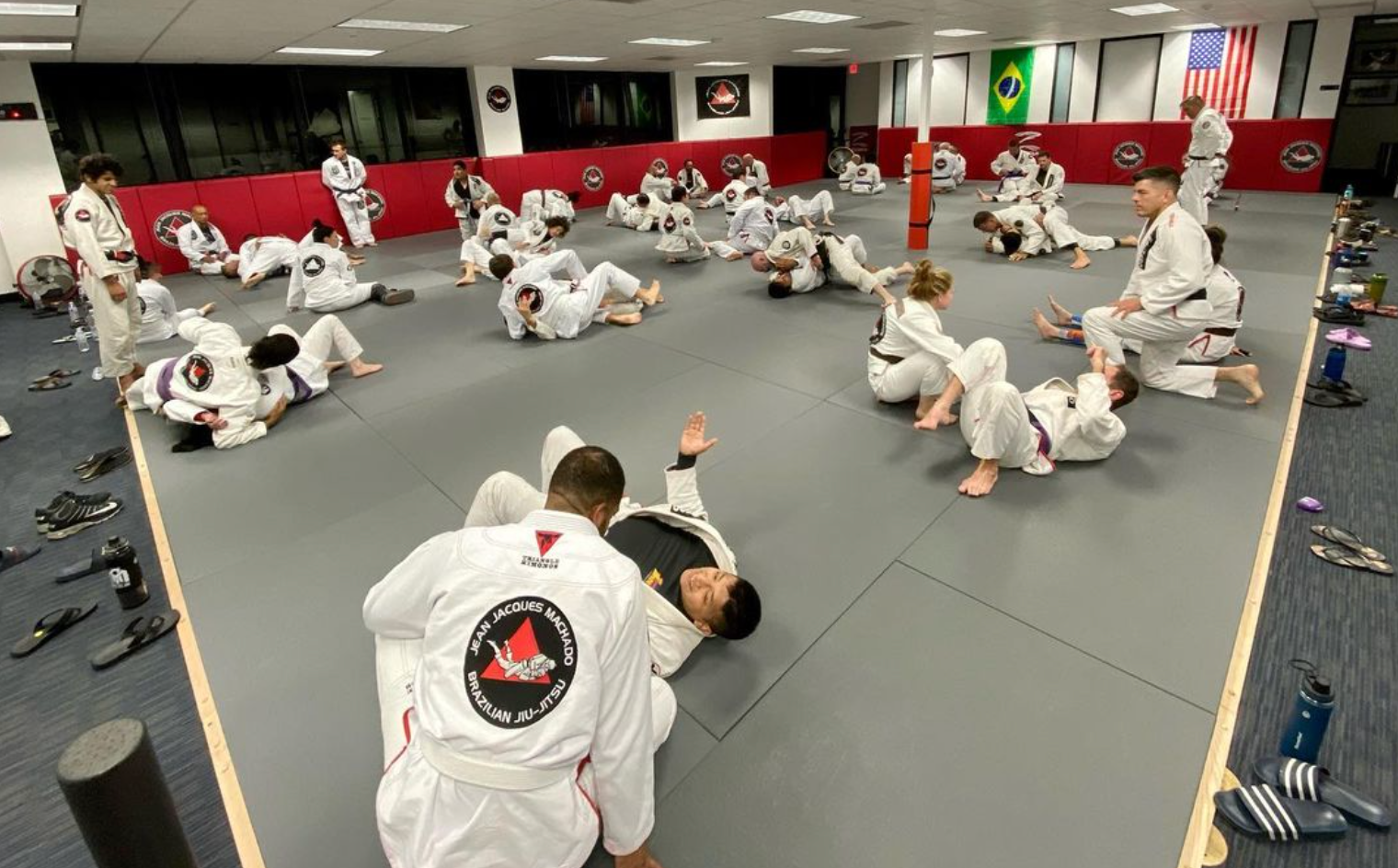
If your child is nervous about trying something new, you are not alone. We design beginner experiences to feel welcoming and clear. New students learn how to move safely, how to work with partners, and how to ask questions without feeling put on the spot. We also coach students on control, because the goal is learning, not chaos.
Safety comes from structure:
- Clear rules for partner distance and intensity
- Coach oversight during drills
- Age-appropriate training progressions
- Emphasis on restraint and respect
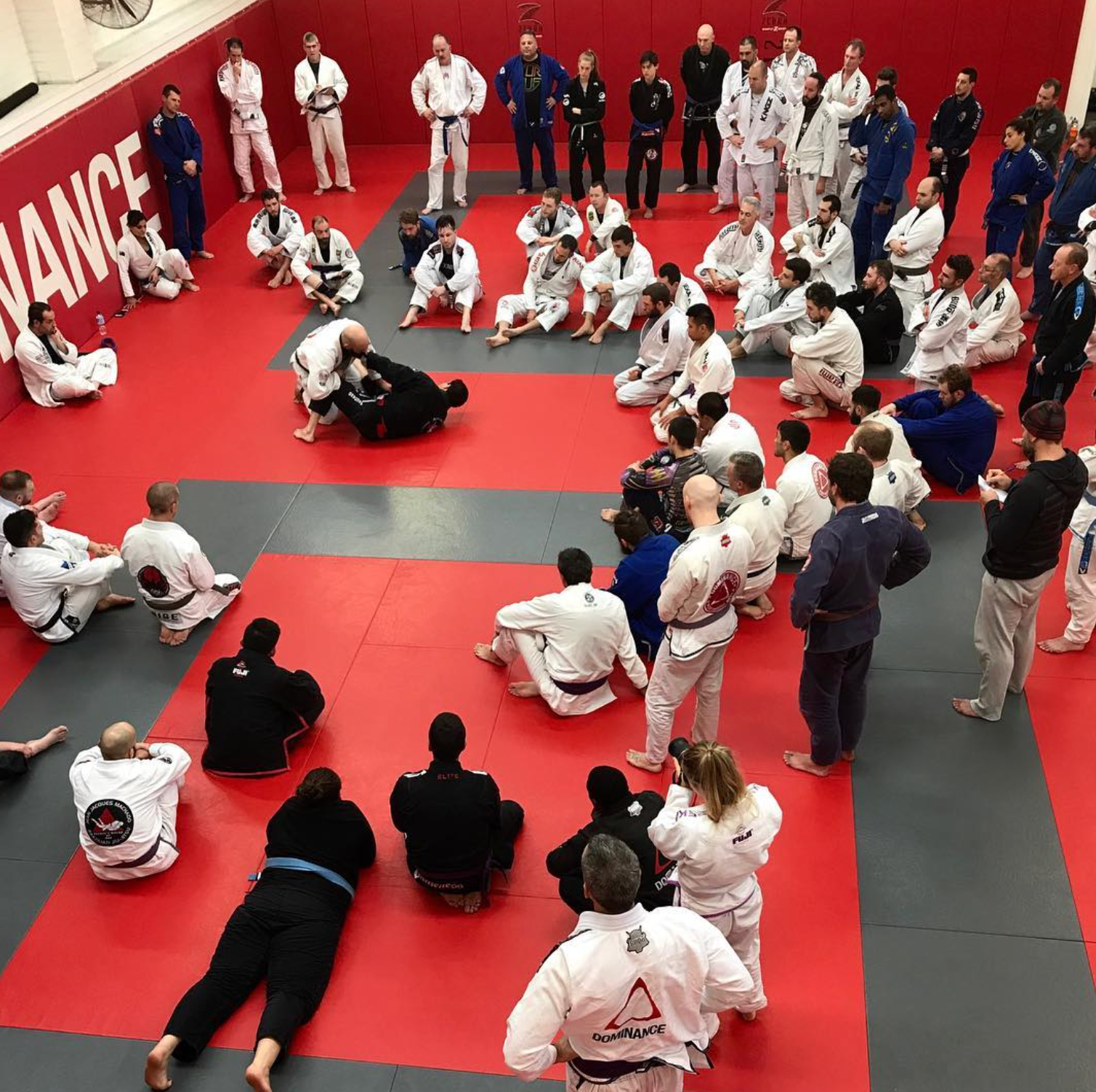
When you watch a well run class, you can feel the difference. It is focused, not frantic. Kids are working, laughing a little, and learning how to be part of something that has standards.
How adult training supports youth confidence at home
One trend we see in martial arts in Fresno is family involvement. When parents train, kids often stay more consistent. It is not about pushing your child. It is about modeling what effort looks like.
Our adult martial arts in Fresno classes give parents a way to build the same qualities kids are learning: discipline, composure, and confidence under stress. When the whole household speaks the language of growth and practice, it gets easier to reinforce healthy habits at home. Even simple things like breathing, posture, and handling frustration become shared skills.
And honestly, training can be a relief for adults too. You get an hour where the goal is clear: learn, move, and improve.
Take the Next Step
If you want your child to feel safer, steadier, and more confident in everyday life, we can help you build that through consistent training and a clear progression system. Our program is designed to make confidence repeatable, not random, and to keep growth tied to real effort.
We would love to help your family experience the difference at Jean Jacques Machado Fresno. When you are ready, you can explore the class schedule, try a session, and see how our coaching style supports both skill development and the life skills that matter most.
See what structured instruction and supportive coaching can do for your game by joining a free trial class at Jean Jacques Machado Fresno.